
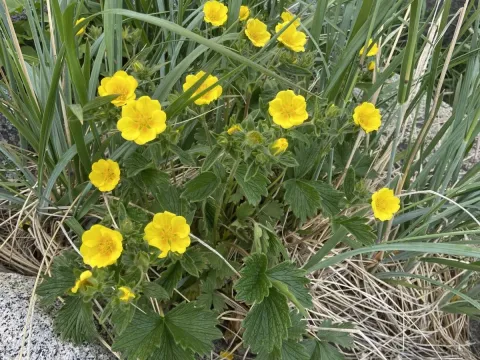
Strawberry cinquefoil
Potentilla fragiformis
Sowing strawberry cinquefoil (Potentilla fragiformis) is best done in late autumn to allow the seeds to undergo natural winter stratification. This process mimics their natural habitat conditions, which is crucial for achieving high germination rates in the following spring.
What the section contains
Strawberry cinquefoil
If you choose to sow in spring, seeds must be kept in a refrigerator for at least a month to ensure uniformity. Using a high-quality seed starting mix that provides excellent drainage is essential to prevent seedling damping-off.
Seeds should be pressed lightly into the surface of the soil and covered only with a thin layer of sand or vermiculite, as they require light to germinate effectively. Maintain a temperature of about 18-20°C for optimal growth.
Once the seedlings develop their first true leaves, they can be transplanted into individual pots to strengthen their root systems. It is important to handle them carefully to avoid damaging the fragile young roots during this transition.
Gradual hardening off is required before moving the plants to their permanent outdoor location. This ensures they can tolerate environmental stressors such as fluctuating wind and sunlight levels.
Potentilla fragiformis is a member of the Rosaceae family, known for its extreme hardiness and compact growth habit. It naturally occurs in subarctic regions, which dictates its preference for cooler climates and well-drained soils.
The plant thrives in full sun exposure. While it can survive in partial shade, full sun is necessary to maintain the plant's structural integrity and promote a more vibrant and long-lasting floral display throughout the season.
Soil requirements for this species are relatively modest; it excels in rocky, sandy, or gravelly soils with a neutral pH. The most critical factor in soil selection is ensuring it is not prone to water retention or compaction.
This species is highly drought-tolerant once established. Its root system is adapted to access water deep in the soil, making it a perfect candidate for xeriscaping or alpine garden designs where manual irrigation is limited.
Maintenance is straightforward and involves minimal intervention. Pruning away faded blossoms and old foliage helps to rejuvenate the plant and keeps it looking clean and well-maintained throughout the growing period.
The primary threat to the strawberry cinquefoil is root rot, caused by excessive moisture or standing water in the root zone. Ensuring excellent soil drainage is the most effective preventative measure against this common fungal issue.
In humid conditions, the plant may become susceptible to powdery mildew. This typically manifests as a white, dusty coating on the leaves and can be mitigated by ensuring proper airflow between individual specimens.
Pests such as aphids may occasionally congregate on the tender foliage during dry spells. If infestations occur, they can usually be managed with gentle horticultural soaps or by manually removing them from the affected areas.
It is important to avoid over-fertilization, as excess nitrogen can lead to succulent growth that is more attractive to insects and more prone to diseases. Keeping the area free of organic debris helps prevent pathogen buildup.
Consistent monitoring and proper site selection remain the pillars of successful cultivation. Because the species is naturally robust, it rarely suffers from major issues when planted in its ideal ecological niche.