
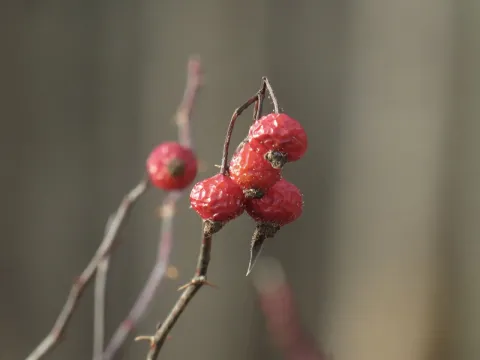
Swamp rose
Rosa palustris
Propagation of the swamp rose is most effectively achieved through vegetative methods such as softwood cuttings or division of root suckers in the early spring. These methods ensure that the new plants retain the specific characteristics of the parent stock.
What the section contains
Swamp rose
Seed propagation is possible but requires a period of cold stratification for several months to break dormancy. Sowing seeds outdoors in late autumn allows the seeds to undergo this natural process during winter.
Cuttings should be taken from semi-hardwood growth during the growing season and placed in a moist, well-draining rooting medium. High humidity and warmth are essential to stimulate root development within a few weeks.
When planting, ensure adequate spacing of at least 1.5 meters between shrubs to facilitate proper air circulation. This is crucial to prevent foliage diseases in the dense conditions typical of native rose species.
Transplanting should ideally be performed while the plant is dormant in early spring. Young plants need consistent moisture until they are well-established in their new location.
The swamp rose belongs to the Rosaceae family and is native to North America, naturally inhabiting swamps, marshes, and stream banks. This evolutionary background makes it exceptionally tolerant of waterlogged soils.
This species thrives in full sun, which is necessary for optimal flower production and a dense growth habit. While it can tolerate partial shade, excessive shade will lead to leggy growth and fewer blooms.
It prefers fertile, slightly acidic to neutral soils enriched with organic matter. While it is adapted to wet conditions, it performs best when the soil is moisture-retentive rather than stagnant.
Hardiness is one of the key strengths of this species, as it is classified for hardiness zones 4 to 8. It requires no winter protection and is perfectly adapted to climates with heavy frost and snow.
Maintenance of soil moisture is the primary ecological requirement for the swamp rose. In garden settings, it serves as an excellent candidate for rain gardens or areas with poor drainage where other plants might fail.
Like many members of the Rosa genus, the swamp rose is susceptible to fungal issues such as black spot and powdery mildew. These diseases are more prevalent in humid conditions with poor airflow.
Strategic pruning is the most effective management tool to minimize disease pressure. By removing older branches and thinning out the center of the shrub, gardeners can significantly improve light and air penetration.
Aphids are the most common insect pests, typically clustering on the tender new growth in the spring. Small infestations can be managed by washing the plants with a forceful stream of water.
Spider mites may affect the plants during prolonged dry spells. Keeping the plant hydrated and providing adequate mulch helps to create a less hospitable environment for these pests.
Regular sanitation, including the removal of fallen leaves during the dormant season, is a critical practice to reduce the inoculum of pathogens and maintain a healthy rose garden.
The ornamental value of the swamp rose is its primary harvestable benefit, with flowers providing beauty throughout the summer months. The blooms are typically pink and have a distinct, pleasant fragrance.
In autumn, the plant produces small, red rose hips that provide a beautiful contrast to the foliage. These fruits are highly prized for their aesthetic appeal and as a food source for local bird populations.
Rose hips can be harvested in late autumn for decorative arrangements or dried for use in botanical crafts. If birds are the intended beneficiaries, the hips should be left on the stems through the winter.
Routine maintenance pruning should be performed in early spring before growth resumes. Removing dead, damaged, or diseased wood helps keep the plant vigorous and maintains its desired shape and size.
Applying balanced fertilizer in the early spring can help promote healthy growth and vibrant flowering. However, avoid excessive nitrogen applications, which can encourage soft growth that is more prone to pest damage.