
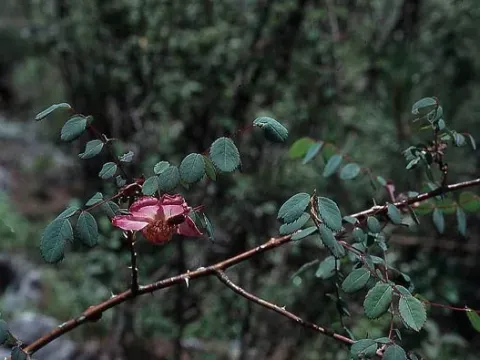
Sweginzow rose
Rosa sweginzowii
The Sweginzow rose (Rosa sweginzowii) is a significant ornamental shrub belonging to the Rosaceae family. Native to western China, it grows naturally in mountainous areas, exhibiting high environmental adaptability and resilience to diverse climates.
What the section contains
Sweginzow rose
This species requires full sun exposure to flourish and maintain its structural integrity. It is renowned for its exceptional winter hardiness, making it a preferred choice for gardens in colder regions where less robust varieties might struggle to survive.
The shrub thrives in fertile, well-drained loamy soils. Proper soil preparation is essential to prevent waterlogging, which is a major factor in inhibiting healthy root growth and promoting the development of various fungal pathogens.
Cultivation practices involve seasonal fertilization and occasional pruning to manage its height, which can reach several meters in ideal conditions. The plant is valued for its unique botanical features, including large, bright red rose hips and pale pink flowers.
Its primary use is in landscape design, where it serves as a robust hedge plant or a specimen shrub. Beyond aesthetics, it is highly regarded for its ability to provide structural complexity to wild-style garden layouts and its low maintenance needs once established.
The Sweginzow rose can be susceptible to common rose ailments, with powdery mildew and black spot being the most frequent fungal issues reported by growers.
These diseases often appear in environments with poor air circulation or excessive leaf moisture, emphasizing the need for proper spacing between planting sites.
Pest threats include typical rose garden insects like aphids and spider mites. These pests can rapidly colonize new growth, necessitating regular monitoring throughout the spring and early summer.
Integrative pest management, including the use of horticultural oils and targeted spraying, is generally effective in managing these infestations without harming beneficial insects.
Maintaining strong plant vigor through appropriate soil nutrition and regular removal of deadwood significantly reduces the susceptibility of the plant to both diseases and insect attacks.