
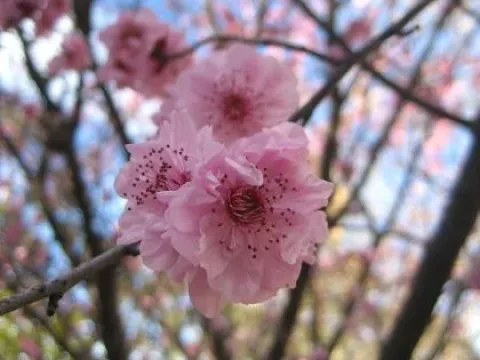
Blireana plum
Prunus blireana
The Blireana plum (Prunus blireana) is an ornamental hybrid tree belonging to the Rosaceae family. It is highly valued for its striking purple foliage and delicate, fragrant pink blossoms that appear in early spring, creating a dramatic focal point in any landscape.
What the section contains
Blireana plum
This species thrives in sunny locations, as exposure to direct light is essential to maintain the vibrant color of its leaves. It requires well-drained, fertile soil, ideally a loam-based mix that is neither too acidic nor overly alkaline for optimal nutrient uptake.
Regarding climate, the Blireana plum is moderately hardy. While it can withstand moderate frosts, it benefits from protection in regions with harsh winters, particularly during the first few years after planting. Proper site selection that blocks strong, drying winds is recommended.
Cultural practices include regular watering, especially during the establishment phase and periods of summer drought. Maintaining consistent soil moisture without waterlogging is key to preventing root stress and promoting vigorous growth throughout the growing season.
Pruning is essential for maintaining the structural integrity and aesthetic shape of the tree. It should be performed in late winter or early spring before the buds break, focusing on removing deadwood and thinning out crowded branches to improve airflow.
The Blireana plum can be susceptible to common fungal diseases, most notably monilinia and shot-hole disease. Implementing a regular spray schedule with copper-based fungicides before bud break can significantly reduce the risk of infection.
Pests such as aphids and leaf rollers are common adversaries that can damage young foliage. Early identification and the use of targeted horticultural oils or systemic insecticides help keep pest populations below the threshold that causes tree damage.
Good garden hygiene, such as removing fallen leaves and pruning off any infected twigs, is vital for disease control. By reducing the overwintering sites for pathogens, you decrease the likelihood of recurring health issues in the spring.
Proper nutrient management through balanced fertilization helps the tree resist environmental stressors and pests. Avoid excessive nitrogen, which can lead to rapid, succulent growth that is more attractive to sucking insects like aphids.
Gummosis, or the oozing of sap from the bark, may occur if the tree is wounded or stressed by poor soil conditions. Treating such wounds promptly and correcting cultural deficiencies will help the tree heal and regain its natural defense mechanisms.