
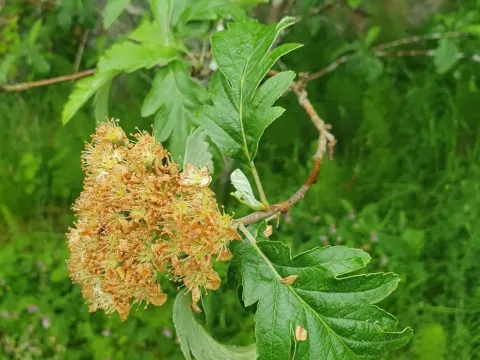
Sorbus neglecta
Sorbus neglecta
Sorbus neglecta, known as the neglected rowan, is a member of the Rosaceae family. It originates from high-altitude regions, where it has evolved to thrive in specific environmental conditions that define its unique physiological profile.
What the section contains
Sorbus neglecta
The plant requires well-drained, nutrient-rich soils that support good root aeration. It performs best in loam or sandy loam substrates and is sensitive to waterlogged environments, which can lead to rapid root decay.
Climate preferences for Sorbus neglecta include cool to temperate conditions. It is well-adapted to cooler climates, showing significant hardiness against low winter temperatures, which makes it a robust candidate for northern landscaping projects.
In terms of agricultural requirements, the species benefits from moderate irrigation, especially during the establishment phase. It is essential to ensure that the site provides adequate sunlight to promote vigorous growth and healthy foliage coloration.
The primary use of this species is ornamental. It is highly valued in parks and botanical gardens for its elegant structure, distinct leaf morphology, and decorative fruit display, contributing significantly to biodiversity in urban plantings.
The species is susceptible to various fungal pathogens, with leaf spot and scab being the most common issues in humid environments. Proper crown management is essential to prevent these infections from spreading.
Insect pests such as aphids and leaf miners often target the new growth during the spring season. Early detection and targeted treatment are critical to maintain the tree's health and visual appeal.
Effective management strategies involve the use of environmentally friendly systemic pesticides if necessary. However, prioritizing cultural practices, such as proper spacing, is usually sufficient to minimize severe pest infestations.
Fire blight is another potential risk that requires immediate monitoring. If symptoms appear, pruning out affected wood and sterilizing tools is a standard protocol for preventing the spread of the pathogen.
Overall, maintaining optimal tree vigor through consistent fertilization and soil monitoring provides the best defense against pests and diseases. Healthy trees are significantly more resilient to minor biotic pressures.