
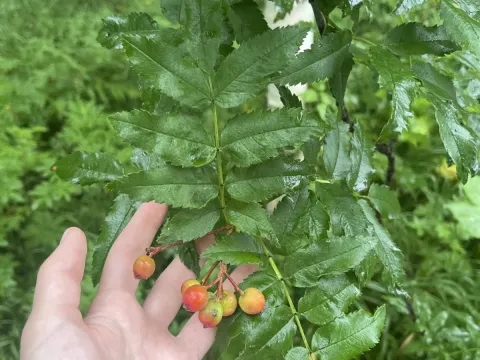
Sorbus sambucifolia
Sorbus sambucifolia
Propagation of Sorbus sambucifolia is commonly performed via seeds or vegetative methods such as root suckers and layering. Sowing seeds is best carried out in the autumn, allowing for natural winter stratification directly in the soil.
What the section contains
Sorbus sambucifolia
If spring sowing is planned, seeds require artificial cold stratification for 3 to 4 months to break dormancy. Seedlings should be grown in nurseries for two years before being transplanted to their final location in the garden.
Transplanting should be done in early spring or autumn during the plant's dormant period. The shrub shows excellent survival rates and adapts quickly to new environments when planted correctly during these intervals.
A planting distance of at least 2–3 meters between plants is recommended due to the spreading habit of the mature shrub. This spacing ensures proper light penetration and airflow, which are crucial for plant development.
Vegetative propagation is preferred for fruit orchards as it ensures the preservation of the desired characteristics of the parent plant, leading to faster and more predictable fruit production cycles.
Sorbus sambucifolia, belonging to the Rosaceae family, is a compact, highly winter-hardy shrub native to the Far East. It is specifically adapted to cold climates, high-latitude winds, and harsh environmental conditions.
This species thrives in full sunlight, which is necessary for optimal blooming and berry ripening. It prefers well-drained, rocky, or sandy acidic soils and can tolerate conditions that would be challenging for many other fruit-bearing species.
Proper drainage is essential, as waterlogged soil can lead to root rot and other fungal pathogens. The shrub requires minimal fertilization, as it is naturally adapted to survive and produce fruit in nutrient-poor soils.
Light organic mulch or compost applied in the spring can help maintain soil moisture and provide essential nutrients for healthy growth. Avoid over-fertilization, as it can encourage excessive vegetative growth at the expense of berries.
Annual pruning is beneficial to remove dead or diseased wood and maintain a balanced, airy crown. This practice helps prevent humidity build-up inside the shrub, which is a major factor in maintaining overall health.
The plant typically begins fruiting between 3 and 5 years of age when grown from seed. Yields are consistent and tend to increase as the shrub develops a more robust skeletal structure and branches.
The berries are edible, juicy, and lack the bitterness commonly associated with other rowan species. They are highly valued for their nutritional content, including antioxidants, vitamins, and organic acids.
Harvesting usually occurs in late August or September. The berries are persistent and may remain on the bush for an extended period, even after the first light frosts, which can enhance their flavor profile.
The fruit is versatile for culinary use, perfect for making preserves, jams, juices, and medicinal tinctures. Its reliability in cold climates makes it a priority crop for northern horticulture and home gardens.
A mature shrub can produce between 5 and 10 kilograms of fruit per season. Quality and output are directly proportional to the amount of sunlight received and the consistency of moisture during the fruit development stage.
Sorbus sambucifolia is naturally resistant to most pests and diseases. However, in extremely humid conditions, fungal issues like scab or rust may occur, which can be managed through proper pruning and site selection.
Common pests like the rowan moth may occasionally affect the crop. Integrated pest management, such as clearing debris from the base of the shrub in autumn and using biological control agents, is usually sufficient.
Aphids might appear on young shoots during spring. These are easily managed by using mild soap sprays or natural predators like ladybugs, avoiding the need for harsh synthetic chemicals on food crops.
If rust occurs, infected leaves or twigs should be removed and destroyed immediately to prevent the spread of spores. Regular maintenance and keeping the planting area clean are the best preventative measures.
Overall, this species is very low-maintenance. With proper site selection and basic sanitation, it is rare for the plant to require intensive chemical treatment or complex intervention against pests.
Harvesting should be done carefully to avoid damaging the delicate skin of the berries. It is advisable to use small shears to snip the entire fruit cluster rather than pulling the berries individually.
Ideally, harvest during dry weather. Once picked, berries should be cleaned of debris immediately and stored in a cool, well-ventilated area to maintain freshness prior to processing or consumption.
Freezing is the best method for long-term storage, as it preserves the integrity of the vitamins and flavor compounds. Dehydration at low temperatures is also an effective way to stock the harvest for later use.
If the fruit is destined for juice production, it can be kept cool for a few days, but speed of processing is recommended to prevent quality loss. Proper storage prevents premature mold growth on the fruit.
Consistent harvesting is good for the plant, as it helps in clearing the branches and preparing the shrub for next year's growth. Removing fruit efficiently also reduces the attractant for late-season pests.