
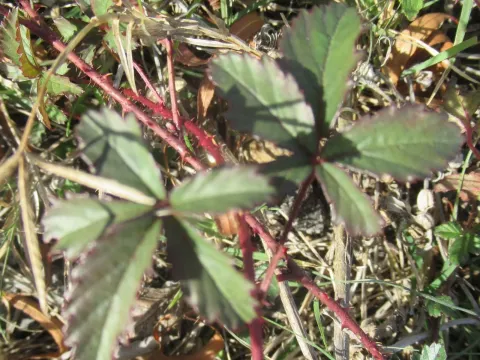
Southern dewberry
Rubus trivialis
Southern dewberry (Rubus trivialis) is a perennial shrub belonging to the Rosaceae family. It is native to the southern parts of the United States, exhibiting excellent adaptation to warm and humid climates.
What the section contains
Southern dewberry
The plant thrives in areas with full sun to partial shade. It prefers fertile, well-drained loamy soils, although it is remarkably tolerant of various soil types provided they are not waterlogged.
Water management is critical; while the plant shows moderate drought tolerance once established, consistent moisture during the flowering and fruit-set stages is essential for high yield.
In terms of climate, it requires a long growing season. In cooler regions, protection against extreme frost is necessary to prevent damage to the canes and ensure future fruiting.
Good agricultural practice involves regular pruning, removing dead or diseased canes annually, and managing trailing stems to keep the plantation healthy and productive.
The yield of Rubus trivialis is largely influenced by soil fertility and irrigation practices. When managed intensively, these plants can produce significant amounts of high-quality berries.
Plants generally begin to produce fruit in their second year. The berries are valued for their distinct flavor, making them ideal for both fresh consumption and commercial processing.
Uses of the fruit include the production of jams, jellies, juices, and specialty wines, providing economic value to farmers who cultivate this species on a small or commercial scale.
Utilizing trellis systems in commercial farming significantly improves yield efficiency, allows for better air circulation, and makes harvesting much more manageable for the grower.
Proper nutrient management, including the application of organic matter and balanced NPK fertilizers, supports vigorous growth and maximizes the annual berry harvest.
The most common threats to Rubus trivialis are fungal diseases, such as anthracnose and gray mold, which are particularly prevalent during periods of high atmospheric humidity.
Pests like the strawberry weevil and spider mites can negatively impact the plant's vigor and fruit quality, requiring integrated pest management strategies.
Regular sanitation, such as removing infected plant parts and maintaining clean aisles between rows, is a proactive way to keep disease and pest populations under control.
Fungicide and pesticide treatments should be used selectively and according to manufacturer guidelines, especially during the period when berries are ripening for consumption.
Monitoring the field for early signs of infestations allows for targeted interventions, reducing the overall need for heavy chemical usage on the plantation.
Harvesting Southern dewberry is a labor-intensive process that requires careful attention to the stage of ripeness to ensure the best possible quality and flavor.
Berries should be picked when they are fully colored, soft, and sweet, indicating peak maturity. Overripe fruit can become prone to bruising and rapid spoilage during transit.
Given the delicate nature of the drupelets, manual picking is the standard method for collecting these berries to avoid crushing the fruit during the harvesting process.
Post-harvest handling is critical for maintaining market freshness. Rapid cooling and cold storage at low temperatures help extend the shelf life of the harvested fruit.
Picking during the early morning hours, before the heat of the day, helps keep the fruit firm and reduces the physiological stress that can lead to rapid post-harvest decline.