
Sorbus subsimilis
Sorbus subsimilis
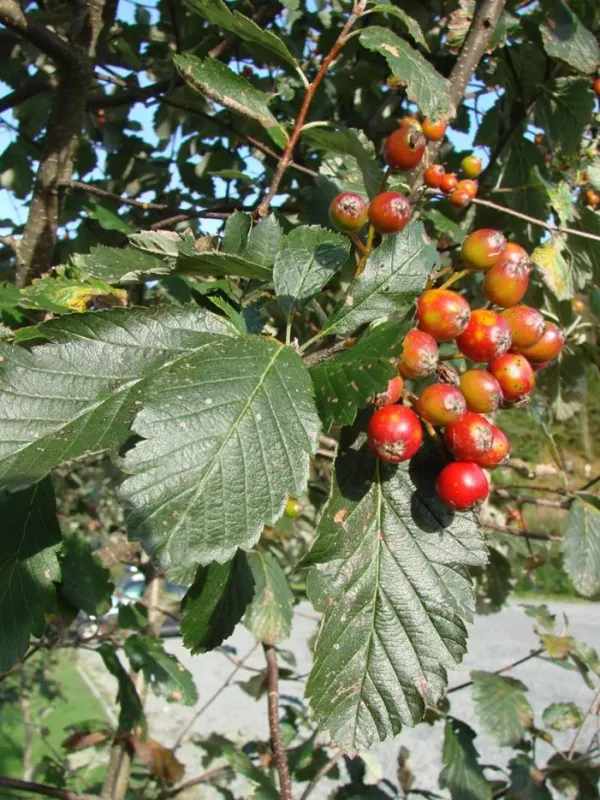
Description
Growing requirements
Sorbus subsimilis is a notable woody plant species belonging to the Rosaceae family. Known for its specific botanical characteristics, it is valued in horticulture for its resilience and ornamental appeal. The species exhibits a distinct branching habit and leaf morphology, setting it apart within the diverse Sorbus genus.
Originating from East Asia, this crop has adapted to temperate mountain climates. It thrives best in fertile, well-drained loamy soils with a near-neutral pH. Proper site selection is crucial, as the plant prefers open locations with full sunlight exposure to ensure robust growth and consistent fruit development.
The climate requirements for Sorbus subsimilis include a tolerance for cold winters, making it a reliable species for temperate zone cultivation. While young trees require supplemental watering to establish their root systems, mature specimens demonstrate a high level of drought tolerance and can withstand variable weather conditions effectively.
Agronomic management involves annual pruning to maintain crown structure and stimulate productivity. Nutrient management is essential; balanced NPK fertilizers should be applied during the early spring to promote vigorous vegetative growth. Mulching around the base helps retain soil moisture and suppresses competing weed species throughout the growing season.
The practical use of this crop extends to both landscaping and potential fruit utilization. Its aesthetic properties make it a favored choice for public parks and private gardens, while its berries offer nutritional benefits for culinary processing. It represents a sustainable option for integrated gardening systems.
Main diseases and pests
Like many Rosaceae species, Sorbus subsimilis is susceptible to common fungal pathogens, including apple scab and leaf rust. These diseases can impair the tree's overall vigor and reduce the aesthetic value of the foliage. Maintaining air circulation within the canopy is a primary cultural method to prevent moisture buildup.
Pests such as the rowan moth and various aphids can pose significant challenges during the spring growth phase. These insects target young leaves and terminal buds, which can lead to deformed growth if left untreated. Regular monitoring is recommended to ensure timely intervention if pest populations reach critical levels.
Integrated Pest Management (IPM) is the most effective approach for this crop, emphasizing sanitation, such as removing fallen leaves where fungal spores overwinter. Encouraging beneficial insects, such as ladybugs and lacewings, helps naturally regulate aphid populations in the garden environment.
When chemical interventions are deemed necessary, products should be applied according to local agricultural guidelines to ensure minimal environmental impact. Rotation of active ingredients is strongly advised to prevent the development of pesticide resistance in pest populations and fungal strains.
Root health is paramount; therefore, avoiding waterlogged soil conditions is necessary to prevent root rot pathogens. Selecting healthy, certified nursery stock for planting is the first and most important step in establishing a resilient and disease-free cultivation plot.