
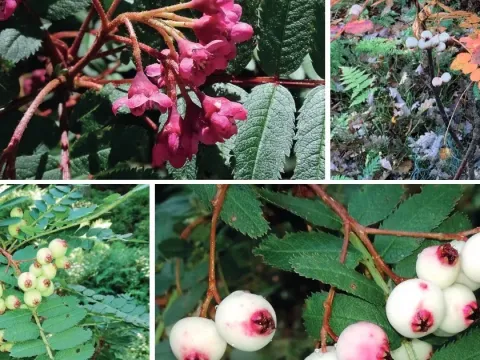
Slender-stalked mountain ash
Sorbus filipes
Sorbus filipes, commonly known as the slender-stalked mountain ash, is a distinctive deciduous shrub or small tree belonging to the family Rosaceae. Native to the mountainous regions of Upper Burma and Southwest China, this plant thrives in cool, temperate, and moist environments.
What the section contains
Slender-stalked mountain ash
The botanical characteristics of this species include delicately pinnate leaves that give the plant a fern-like appearance. Its refined aesthetic makes it a popular choice for high-end landscape design where space-efficient but visually striking specimens are required.
The cultivation of Sorbus filipes requires soil that is rich in organic matter and possesses excellent drainage qualities. While it prefers moist conditions, it is critical to avoid waterlogged sites, as the root system is sensitive to prolonged anaerobic stress caused by stagnant water.
Exposure to sunlight is a key factor in its growth cycle, with a preference for full sun or partial shade. In regions with extremely hot summers, some protection from the afternoon sun is recommended to prevent scorching of the thin, delicate foliage.
General maintenance involves the consistent application of organic mulch around the base of the plant to retain soil moisture and stabilize temperature. Providing adequate irrigation during dry spells is essential for maintaining the vigor and health of the shrub throughout the growing season.
This species is susceptible to various fungal pathogens that affect the Rosaceae family. Leaf spots and rust are among the most common issues, particularly in climates with high humidity or poor air circulation within the shrub canopy.
Insect pests, including aphids and various species of scale insects, can target the new growth during the spring. Early identification is crucial; monitoring the undersides of leaves and young shoots helps in applying targeted treatments before large-scale infestations occur.
Fire blight is a significant risk for this species, leading to wilting and the blackened appearance of stems. Strict sanitation practices, such as sanitizing pruning shears between cuts, are necessary to prevent the mechanical transmission of this bacterial pathogen.
Preventive maintenance includes regular pruning to improve structural integrity and promote airflow. Removing diseased or dead wood reduces the overwintering sites for fungal spores and improves the overall vitality of the mountain ash.
To ensure long-term health, growers should avoid overhead watering, which can encourage the germination of fungal spores on the leaves. Keeping the foliage dry while watering at the root zone is a standard practice for maintaining a healthy and resilient specimen.