
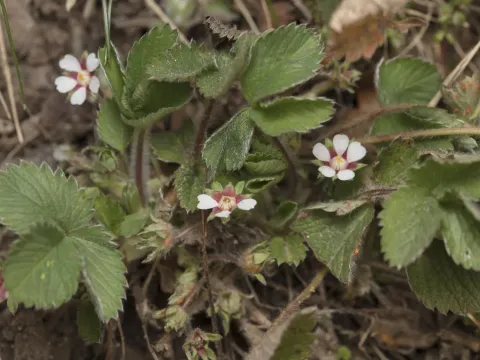
Small-flowered cinquefoil
Potentilla micrantha
Small-flowered cinquefoil (Potentilla micrantha) is a herbaceous perennial belonging to the Rosaceae family. Native to European forest edges and rocky slopes, this plant is valued for its hardiness and ability to thrive in diverse microclimates.
What the section contains
Small-flowered cinquefoil
The botanical structure consists of a basal rosette of trifoliate leaves and fine, delicate flowers that bloom in late spring. This species develops a robust root system, which is key to its survival in competitive natural environments.
In cultivation, it requires well-drained, slightly acidic soil. It performs best in sites with partial shade, mimicking the natural forest-edge habitat where sunlight is filtered through canopy cover.
Environmental requirements include a temperate climate with mild summers. The plant is drought-tolerant once established, but providing consistent moisture during the early growth phase significantly improves biomass production.
Soil management should involve adding organic matter such as compost to provide necessary nutrients. Over-fertilization should be avoided to prevent excessive vegetative growth at the expense of root development.
Powdery mildew is the primary disease affecting this species, particularly in regions with high atmospheric humidity. Maintaining proper spacing between plants is the most effective preventative measure against fungal spread.
Pests such as aphids and spider mites can colonize the leaves during hot, dry spells. Regular inspection and natural predators are usually sufficient to keep populations below damaging thresholds.
Root rot caused by poor soil drainage remains a significant risk. If the soil does not drain quickly after heavy rainfall, the plant is prone to decay, which is often fatal to the crown.
Leaf-eating beetles may occasionally cause aesthetic and physiological damage. If infestations occur, hand-picking or organic soap sprays are recommended as the safest management strategies.
Proactive monitoring is essential to ensure long-term health. By keeping the surrounding soil free of debris and weeds, the overall disease pressure on the plant colony is greatly reduced.