
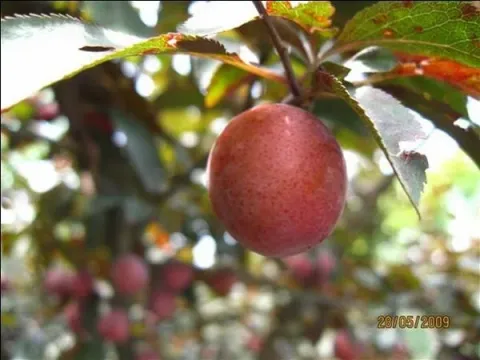
Simon plum
Prunus simonii
Simon plum (Prunus simonii), often called the apricot plum, belongs to the Rosaceae family. Originating from China, it is characterized by its narrow, upright growth habit and distinct biological traits.
What the section contains
Simon plum
The tree requires a mild climate to thrive, as it is highly sensitive to extreme cold and late spring frosts. It is ideally suited for regions where winters are not severe and the growing season is long and warm.
Well-drained, fertile, loamy soils are essential for healthy root development. The species cannot tolerate waterlogged soils, which significantly increases the risk of root rot and overall tree decline.
Exposure to full sunlight is critical. Adequate light intensity is required not only for sugar accumulation in the fruit but also for the successful initiation of floral buds for the following year.
Agronomic management includes strict moisture control and a balanced fertilization program. Pruning is essential to maintain the architectural integrity of the tree and to ensure sufficient light penetration into the inner canopy.
The fruits of the Simon plum are typically oblate or flattened-round, featuring a rich, aromatic flesh that resembles that of an apricot. This makes the fruit highly prized for fresh market consumption.
Commercially, it is often utilized in breeding programs to introduce desirable flavor characteristics and unique fruit shapes into new plum cultivars.
Fruit production is heavily dependent on cross-pollination. Ensuring the presence of compatible pollinator varieties in the orchard is the primary factor for achieving high and consistent annual yields.
Yield management also involves thinning the fruit load if the set is too heavy, which helps in maintaining fruit size and prevents the exhaustion of the tree's resources.
Harvesting requires careful handling, as the thin skin of the fruit makes it prone to bruising, which can negatively affect its storage life and marketability.
Common fungal diseases include brown rot (Monilinia) and shot-hole disease (Stigmina carpophila), which are particularly prevalent during wet and humid weather conditions.
Pest pressures primarily include the plum fruit moth and various aphid species, which can cause significant direct damage to the fruit and structural damage to the foliage.
Integrated Pest Management (IPM) is strongly recommended, incorporating pheromone traps for monitoring and the timely application of approved chemical or biological control agents.
Cultural practices such as sanitation, including the removal of mummified fruits and dead wood, are vital in reducing the overwintering inoculum of major pathogens.
Regular monitoring of tree health during the dormant and active growth stages allows for early detection of stress factors, enabling rapid intervention before economic thresholds are exceeded.