
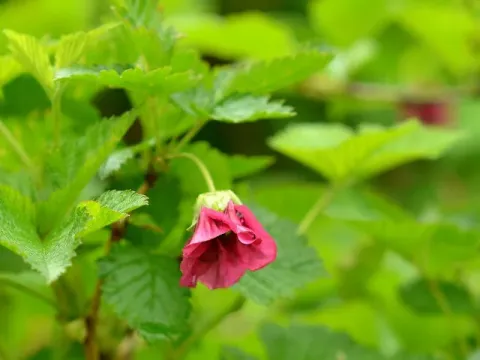
Spring blackberry
Rubus vernus
The spring blackberry (Rubus vernus) belongs to the Rosaceae family. This perennial shrub is recognized for its unique adaptation to early spring growing conditions, distinguishing it from other blackberry species within the genus.
What the section contains
Spring blackberry
To thrive, the plant requires well-drained, fertile soil with a slightly acidic to neutral pH. It is essential to select sites with full sun exposure to ensure optimal sugar accumulation in the fruits and proper maturation of the vegetative canes.
Regarding moisture, while the crop needs consistent watering during the growing season, it is highly sensitive to waterlogged conditions. Excessive soil humidity often leads to root rot, which is a common cause of failure in poorly managed sites.
Cultural practices include training the canes on trellises, which facilitates airflow and prevents the contact of fruit with the soil. Proper spacing between plants is crucial to avoid overcrowding, which is a major factor in the proliferation of plant diseases.
Regular fertilization with organic matter and balanced NPK fertilizers is recommended to sustain vigorous growth. Pruning should be carried out annually, focusing on the removal of old, fruiting canes to promote the growth of healthy new shoots for the following cycle.
The primary threats to Rubus vernus include fungal pathogens such as cane blight and anthracnose. These infections manifest as lesions on the canes and foliage, often appearing after prolonged wet weather conditions.
Pest management should focus on preventing outbreaks of raspberry beetles and various species of aphids. These pests not only directly damage the fruit but can also act as vectors for viral diseases that are difficult to manage in perennial berry plantings.
Preventive strategies involve maintaining good hygiene in the orchard by removing all fallen leaves and infected plant parts. Burning or disposing of this material away from the production area is the most effective way to break the disease life cycle.
Application of fungicides should be performed during the dormant season or early vegetative stages to prevent the establishment of spores. It is important to rotate the active ingredients to prevent the development of resistance in fungal populations.
Monitoring the orchard for early signs of stress or infestation is essential for timely intervention. Integrating biological control methods, such as fostering beneficial predatory insects, can significantly enhance the long-term health of the blackberry plantation.