
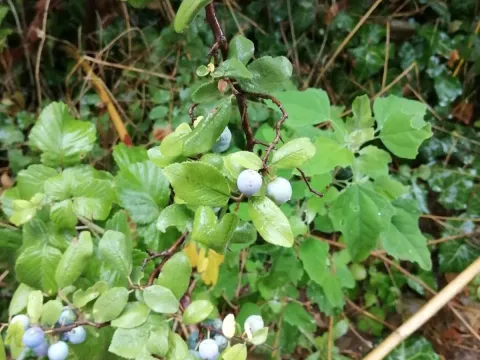
Steppe sloe
Prunus stepposa
The steppe sloe (Prunus stepposa) is a deciduous shrub belonging to the Rosaceae family, widely distributed across the steppe and forest-steppe regions of Eurasia. This plant is characterized by high winter hardiness and the ability to thrive in harsh, continental climatic conditions.
What the section contains
Steppe sloe
Propagation is most commonly achieved through generative methods by sowing seeds (pits), which require mandatory stratification for 3-4 months at temperatures between 0 and +5 degrees Celsius. Sowing is typically performed in autumn or spring into prepared, loose soil at a depth of 5-7 centimeters.
For vegetative propagation, root suckers, which the plant produces in large quantities, are used. Alternatively, grafting high-quality cultivars onto sloe rootstocks is a common practice. These methods allow for the faster production of fruit-bearing specimens while maintaining the genetic traits of the parent plant.
The optimal time for transplanting seedlings to their permanent location is in early spring, before bud break, or in early autumn, 3-4 weeks before the onset of persistent frosts. This ensures better root system adaptation to the new environment.
Planting schemes must account for the shrub's natural tendency to spread vigorously. A recommended distance of at least 2-3 meters between plants ensures adequate canopy illumination and facilitates subsequent agronomic management practices over the coming years.
The culture is extremely undemanding regarding soil fertility and grows successfully in sandy loam, loamy, and even rocky soils, thanks to its deep and powerful root system. Optimal growth rates are achieved in well-drained areas with a neutral to slightly alkaline soil reaction.
The steppe sloe is a sun-loving plant, so it should be planted in open areas with full sun exposure. In shaded environments, the shrub exhibits significantly reduced yields, the fruits become smaller, and the plant becomes excessively leggy, losing its decorative value.
The plant is ideally adapted to climatic conditions, as it withstands extremely low winter temperatures and summer droughts. Mature plants require almost no supplemental irrigation, as they thrive on natural precipitation in most steppe regions.
At the beginning of the growing season, the plant may benefit from nitrogen fertilizer applications, which stimulate shoot growth. Subsequently, to maintain stable yields, annual application of phosphorus-potassium mixtures in the root zone is recommended.
An essential part of maintenance is sanitary and formative pruning, conducted in early spring. Removing dead, diseased, or overcrowded branches promotes better airflow and serves as a preventative measure against fungal diseases.
The productivity of the steppe sloe directly depends on pollination conditions, as the plant is a cross-pollinating crop. To ensure stable fruit set, it is recommended to plant several different varieties or forms within the same area.
First fruiting typically occurs in the 3rd or 4th year of the seedling's life, with a mature plant capable of producing up to 10-15 kilograms of fruit. Yield levels vary significantly depending on weather conditions during the flowering period and sunlight intensity.
Sloe fruits are round, dark blue in color with a waxy bloom, and possess a characteristic tart, sweet-and-sour flavor. The high content of pectins and tannins makes them a valuable raw material for various types of processing.
Economic uses include the preparation of jams, compotes, liqueurs, and medicinal decoctions. In traditional medicine, the fruits are valued for their astringent properties, which contribute to improved gastrointestinal function.
The fruits are often used as high-quality rootstock for more sensitive stone fruit crops, such as common plums, cherry plums, or peaches, passing on their natural resistance to cold and adverse soil conditions.
Despite its high vitality, the sloe can be affected by stone fruit diseases such as shot-hole fungus (Clasterosporium carpophilum) and brown rot (Monilinia). Prevention consists of timely sanitary pruning and treatment with copper-based fungicides in early spring.
Among pests, the plum fruit moth poses the greatest threat to the harvest, as its larvae damage both ovaries and fruits. Regular removal of fallen fruit and the use of trap belts help significantly reduce insect populations.
In high humidity conditions, aphids may develop on the foliage, feeding on the juices of young shoots. During mass infestations, treatment with biological products or systemic insecticides is recommended before the berries begin to ripen actively.
To prevent the spread of infections, it is necessary to strictly control the growth of root suckers, which create dense, crowded thickets. This not only improves the phytosanitary environment but also redirects nutrients toward the formation of a quality harvest.
Protection measures should be carried out comprehensively, combining agronomic practices with chemical control only when the economic injury threshold is exceeded. The environmental resilience of the sloe allows for minimized chemical inputs.
Harvesting usually takes place in late August or September, when the fruits attain their characteristic dark blue color and soften. It is important to wait until after the first autumn frosts, as the tartness of the fruit noticeably decreases due to the partial breakdown of tannins.
Harvesting is performed by hand, carefully removing fruits from the branches, as the skin is quite delicate. If transportation is required, it is recommended to use shallow containers to avoid crushing and premature spoilage of the berries.
For long-term storage, the fruit should be processed within the first 24-48 hours after picking. Freshly harvested sloes have a short shelf life, quickly losing their flavor and quality if stored at room temperature.
Drying the fruit is a traditional preservation method that allows for the maximum retention of beneficial properties. Dried sloes can be used as a base for winter drinks and various desserts.
Sorting the harvest after picking allows for the removal of damaged fruit, which extends the shelf life of the healthy produce. Adhering to proper harvesting guidelines ensures high-quality raw materials for home canning and culinary use.