
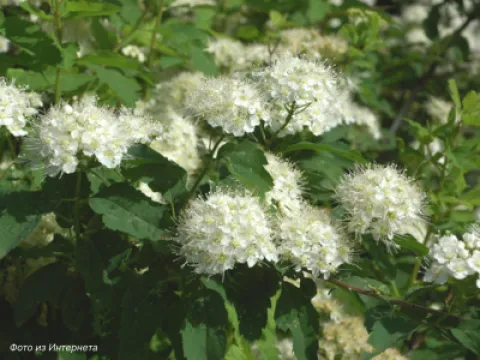
Spiraea schinabeckii
Spiraea schinabeckii
Spiraea schinabeckii is a deciduous ornamental shrub belonging to the Rosaceae family. This hybrid variety is highly valued in horticulture for its graceful arching branches and abundant white floral display.
What the section contains
Spiraea schinabeckii
The plant thrives in sunny to partial shade locations with well-drained, fertile soil. Adequate soil moisture is essential for optimal growth, although the plant is moderately tolerant to various soil types once established.
Climatic requirements focus on regions with temperate weather patterns. It exhibits good cold hardiness, making it suitable for a wide range of gardening zones without the need for extensive winter protection.
Agronomic maintenance requires consistent watering during the growing season and periodic fertilization in the early spring. Proper pruning after the flowering period helps to maintain the shrub's shape and vigor.
The primary use of this shrub is landscape design. It is frequently employed in hedge construction, foundation plantings, and as a focal point in borders due to its aesthetic appeal and structural beauty.
Powdery mildew is a common fungal threat, especially in humid and poorly ventilated conditions. Application of appropriate fungicides is recommended when the first signs of white fungal growth appear on leaves.
Aphids can pose a risk to young, tender growth during the spring months. If detected, treatment with insecticidal soaps or systemic pesticides is effective in controlling their population.
Spider mites may become problematic during hot and dry summer months. Maintaining proper irrigation and humidity around the plant helps reduce the likelihood of infestation.
Sanitation practices are critical for plant health. This includes the removal and disposal of diseased plant debris and dead branches, which can harbor overwintering pests and fungal spores.
Proper plant placement and adequate spacing are vital to ensure good air circulation. This physical measure serves as a primary defense mechanism against the majority of common horticultural diseases.