
Nectacotum
Prunus myrobalan-peach
Description
Growing requirements
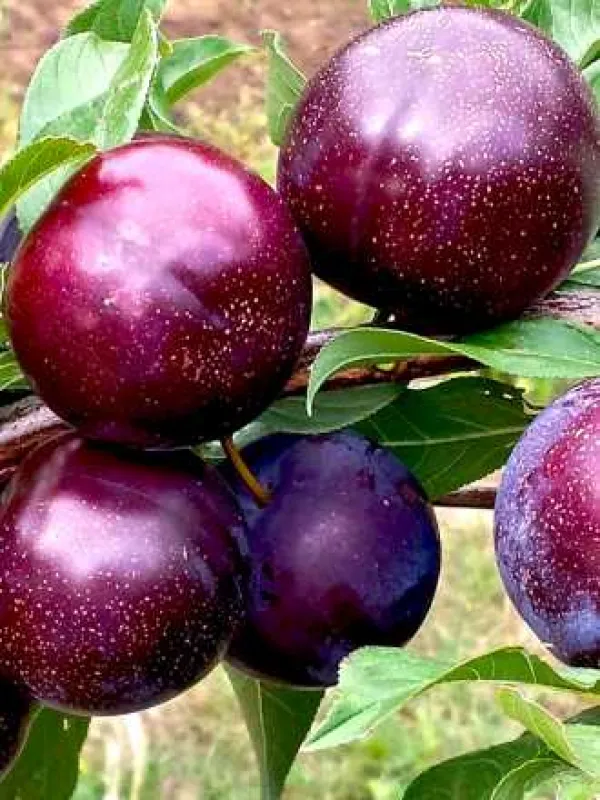
Nectacotum is an interspecific hybrid derived from the crossing of Prunus cerasifera (cherry plum) and Prunus persica (peach). Belonging to the Rosaceae family, this fruit tree combines the hardy characteristics of rootstock species with the superior flavor profiles of modern peaches.
Successful cultivation requires high solar exposure to ensure proper sugar accumulation in the fruits. The ideal soil profile consists of well-drained, fertile loam or sandy loam with a balanced pH level, as the hybrid is sensitive to waterlogging and anaerobic root conditions.
The tree thrives in moderate climatic zones where the risk of late spring frosts is minimal. Consistent temperatures throughout the growing season are essential for the maturation of the wood, which directly influences the tree's winter hardiness and future productivity.
Agrotechnical maintenance focuses on precision irrigation during the fruit enlargement phase. Nutrient management should be tailored to the tree's growth stages, with nitrogen applications in early spring and potassium-based fertilizers provided during the ripening period.
Pruning is a crucial practice for managing the vigor of the hybrid. By maintaining an open canopy structure, growers ensure better air circulation and sunlight penetration, which are vital for reducing humidity levels around the foliage and fruit clusters.
Yield
The yield potential of Nectacotum is generally high, provided that cross-pollination is facilitated by compatible varieties in the vicinity. Mature trees are capable of producing substantial harvests, frequently reaching industrial-level efficiency in well-managed orchards.
Main diseases and pests
The most significant pathological threats to the hybrid include Monilinia (brown rot) and shot hole disease (Stigmina carpophila). Maintaining a dry canopy and using preventative systemic fungicides during bloom are common practices to manage these fungal issues.
Common insect pests include aphids and stone fruit borers. Integrated pest management (IPM) strategies, which prioritize regular monitoring and the use of biological control agents, are highly recommended to minimize the reliance on chemical insecticides.
Harvesting
Harvesting is typically performed by hand to ensure fruit quality and prevent bruising. Because of the tender skin of these hybrids, careful handling and immediate cooling post-harvest are recommended to extend shelf life and maintain commercial attractiveness.