
Neillia
Neillia D. Don
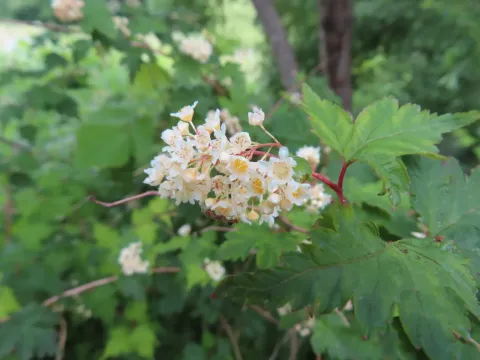
Neillia is a genus of deciduous shrubs belonging to the Rosaceae family. These plants are highly regarded by horticulturists for their arching branches and attractive, drooping racemes of bell-shaped flowers.
What the section contains
Neillia
Originating from East Asia, these shrubs are native to mountainous regions in China, the Himalayas, and Korea. They thrive in woodland margins, where they receive filtered light and protection from harsh elements.
For optimal growth, Neillia requires fertile, well-draining soil that retains a consistent level of moisture. While adaptable, they prefer sites with acidic to neutral soil pH to ensure nutrient absorption.
When selecting a planting location, it is best to choose a spot with partial shade to full sun. In regions with intense summer heat, shelter from the afternoon sun is recommended to prevent leaf scorch and drought stress.
Cultural care involves routine pruning after flowering to maintain the shrub's shape and encourage vigorous new growth for the following season. Regular mulching is also essential to regulate soil temperature and moisture levels.
Neillia shrubs are generally resilient but may become susceptible to fungal leaf spots if grown in stagnant air conditions or areas with poor soil drainage that leads to waterlogging.
Pest issues often involve sucking insects like aphids, which tend to congregate on tender new foliage, and spider mites, which can cause leaf discoloration during prolonged hot and dry spells.
Effective management strategies include the application of horticultural oils or insecticidal soaps at the first signs of infestation to mitigate damage without harming beneficial insects in the garden.
Maintaining proper spacing between shrubs is crucial to facilitate air circulation, which acts as a primary defense against various fungal pathogens that thrive in humid, enclosed environments.
Sanitation practices, such as removing fallen leaves and pruning away infected or dead wood, are vital steps in disease control, effectively reducing the inoculum load that could overwinter in the garden.