
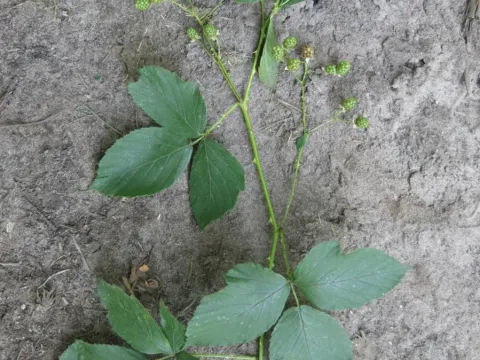
Rubus divaricatus
Rubus divaricatus
Rubus divaricatus, known as the spreading blackberry, is a perennial shrub belonging to the Rosaceae family. This plant is well-known for its arching, thorny stems that create dense thickets in its natural woodland habitats. In an agricultural context, it is valued for its hardiness and the production of flavorful, nutrient-rich berries.
What the section contains
Rubus divaricatus
The botanical profile of the plant features distinct divaricate branching, which gives the shrub a broad and sprawling growth habit. The leaves are typically compound, consisting of serrated leaflets, and provide a lush, green appearance throughout the growing season. The flowers are generally white or light pink, serving as a vital source of nectar for local pollinators.
In terms of agricultural use, this culture is primarily grown for its fruit, which is rich in antioxidants, vitamins, and minerals. Beyond fresh consumption, the berries are highly sought after in the food processing industry for making jams, wines, and desserts. The plant also acts as an effective soil stabilizer in landscape management due to its vigorous root system.
Propagation is primarily achieved through tip-layering, a common method for many Rubus species, where the stems are pinned to the soil to encourage root development. This reliable technique allows growers to expand their plantations efficiently. With proper maintenance, these shrubs can be highly productive for over a decade, provided they are given enough space to thrive.
Modern breeding efforts have sought to improve the frost resistance and yield potential of Rubus divaricatus. These improvements have expanded its cultivation range, allowing it to be grown in cooler climates where other blackberry species might struggle to survive the winter. Consistent care and effective training systems are key to maximizing its potential.
The plant thrives in sunny locations but is adaptable enough to tolerate partial shade. For optimal growth, it should be protected from harsh, drying winds that can cause damage to the fragile fruit and leaves.
Well-draining, fertile loam soils are ideal. It is important to avoid areas where water tends to pool, as the root system of this species is sensitive to waterlogging and can quickly develop root rot.
The ideal soil pH is between 6.0 and 7.0. Adding organic matter, such as compost or well-rotted manure, in the spring helps maintain soil fertility and structure, supporting healthy development of the canes.
Consistent moisture is crucial during the flowering and fruit-setting stages. Mulching with straw or wood chips helps conserve soil moisture and suppresses weeds, reducing the competition for nutrients.
Regular pruning is essential to maintain plant health and productivity. By removing old, dead, or diseased canes after the harvest, growers ensure that the plant redirects energy to new, fruit-bearing growth.
The yield of Rubus divaricatus is largely dependent on the level of sunlight and consistent nutrition. Under ideal conditions, a single mature shrub can produce between 3 to 5 kilograms of berries per season.
The berries ripen gradually, which makes the harvest period span several weeks. Peak production typically begins in the third year after planting, provided the shrub is properly established and well-fed.
Using trellis systems is highly recommended to keep the canes off the ground, which improves airflow, reduces the risk of fungal infections, and makes the berries easier to harvest.
Adequate water during the fruit-fill period significantly increases the individual size of the berries. A lack of water during this time can result in smaller, tart fruits that are less desirable for market.
To keep the plantation productive for years, it is advisable to remove older canes and promote the growth of younger, more vigorous stems, ensuring the plant remains in its prime phase of productivity.
Rust is the most common fungal disease affecting the foliage. Control strategies include applying copper-based fungicides early in the season and pruning away infected areas to prevent the spread of spores.
Anthracnose can affect the stems, manifesting as grayish lesions. Maintaining proper spacing and ensuring the canopy is not too dense is the best way to prevent this disease from gaining a foothold.
Pests such as the strawberry blossom weevil can damage buds before they open. Monitoring the plantation and using integrated pest management strategies, such as traps or organic insecticides, helps minimize impact.
Spider mites can become a problem in hot, dry weather. Keeping the foliage hydrated and ensuring the plant has enough water can make it more resistant to these pests, which thrive in stressed conditions.
Sanitation is key; all fallen leaves and diseased canes must be removed from the field at the end of the season and destroyed to prevent the overwintering of pathogens and pests.
Harvesting should be done by hand when the berries reach a deep, uniform color and are slightly soft to the touch. They should be pulled gently, as they do not continue to ripen after detachment.
The best time to harvest is early in the morning when temperatures are cool. This significantly improves the shelf life of the berries and prevents them from bruising easily during the collection process.
Berries should be placed in shallow containers to prevent the weight of the fruit from crushing those at the bottom. Storing them in a cool, dark environment is necessary to maintain their freshness.
For transport, delicate handling is required to prevent mold development caused by skin breakage. Prompt refrigeration is necessary for short-term storage, while quick freezing is best for long-term use.
Efficiency in harvesting is crucial; visiting the plantation every two days ensures that fruit is picked at its peak sweetness and prevents overripe berries from attracting fruit flies or other pests.