
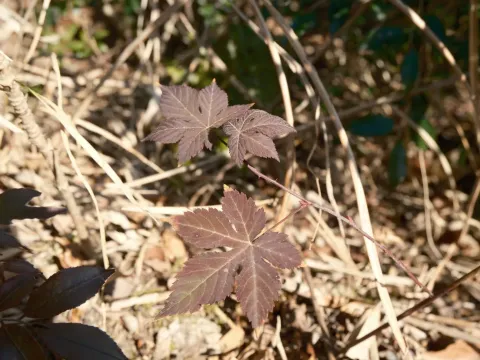
Rubus chingii
Rubus chingii
The propagation of Rubus chingii is primarily achieved through vegetative methods, such as root suckers or green cuttings, which help maintain the genetic consistency of the parent plant. The optimal timing for establishing new plantations is early spring, before active sap flow begins, or in autumn while the soil remains warm.
What the section contains
Rubus chingii
If seeds are used for propagation, a mandatory stratification period of two to three months at low positive temperatures is required. This process is essential to break the embryo's dormancy and ensure uniform germination during the following spring season.
Seedlings should be planted in rows with a spacing of 70 to 90 centimeters between plants. This distance provides adequate ventilation for the shrubs and facilitates easier maintenance tasks throughout the growing cycle.
It is recommended to select sites with partial shade or open areas protected from strong, cold winds. Overcrowding the plants can lead to poor air circulation, which increases the risk of fungal outbreaks in the dense foliage.
Before planting, the soil must be deeply tilled and enriched with organic matter, such as compost or well-rotted manure, to provide the necessary nutrients for initial root development and vigorous plant establishment.
Rubus chingii is a perennial subshrub belonging to the Rosaceae family, native to East Asian regions. The plant thrives in moderately moist, loamy, or sandy soils with a neutral or slightly acidic pH level, which ensures optimal nutrient uptake.
Proper drainage is a critical requirement for this species; waterlogged soils can cause root rot, which is often fatal. Therefore, sites with excellent aeration and high organic content are considered ideal for cultivation.
In terms of climate, the plant prefers temperate conditions. While it exhibits moderate cold hardiness, it requires protection from extreme temperature fluctuations during the transition seasons to prevent stress and damage to the stems.
Consistent irrigation is vital during the active growing season, particularly during the flowering and fruit-setting stages. A lack of moisture can lead to smaller fruits and a decrease in the overall health and productivity of the shrub.
Regular fertilization with mineral complexes containing nitrogen, phosphorus, and potassium is necessary to sustain growth. Nitrogen applications in early spring support foliage development, while phosphorus and potassium help prepare the plant for winter dormancy.
The first harvest of Rubus chingii typically occurs two to three years after planting. The fruit is highly valued for its role in traditional oriental medicine, where it serves as a concentrated source of active compounds.
Commercially, the focus is on harvesting the fruits while they are still in an unripe or semi-mature state. They are then processed through specialized drying techniques to preserve the integrity of their bioactive substances for pharmaceutical applications.
Systematic pruning is essential to maximize yield. By removing old, spent canes annually, the plant is encouraged to produce new, vigorous replacement shoots that will carry the primary crop for the following growing season.
Yield stability depends heavily on pollination success during the spring. Ensuring the presence of local pollinators and protecting the blossoms from late frost are crucial factors for achieving a consistent and bountiful harvest.
In professional settings, plantation density must be carefully monitored. Excessive growth within a row leads to resource competition, which negatively impacts fruit size and reduces the overall quality of the medical-grade raw material.
Fungal diseases, such as anthracnose and various leaf spots, represent the most significant threat to Rubus chingii. These issues are often exacerbated by poor air circulation in dense plantings, highlighting the importance of regular pruning.
Common pests, including the raspberry beetle and spider mites, can cause substantial damage to the leaves and developing fruits. Early identification and monitoring are key to minimizing their impact on the plantation's overall health.
Preventative measures, such as applying biological fungicides or copper-based treatments during the early growth phase, are highly effective. These actions significantly reduce the pathogen load within the field.
Sanitation practices are essential for disease control. Removing fallen leaves and infected canes at the end of the season prevents pathogens from overwintering and reinfecting the plants the following spring.
Maintaining proper spatial separation from other related Rubus species that share similar susceptibility to pests and diseases is a best practice to ensure the long-term health and productivity of the crop.
Harvesting is performed manually when the fruits reach the correct stage of technical maturity. This specific timing ensures that the fruit maintains the required density and chemical profile needed for effective drying and processing.
Post-harvest processing involves cleaning the fruit of stems and debris, followed by drying in controlled environments. Temperatures must be regulated—ideally not exceeding 60 degrees Celsius—to prevent the degradation of heat-sensitive medicinal compounds.
Once dried, the product should be stored in airtight containers within a cool, dry environment to preserve its aromatic and pharmacological properties for an extended period.
Workers must wear protective gloves and long sleeves during the harvest, as the stems of Rubus chingii often bear small, sharp thorns that can cause skin injuries during the picking process.
Daily inspection of the plantation is recommended during the harvest window. Fruits should be picked in stages to ensure that each batch meets the quality standards required for further refinement and medical use.