
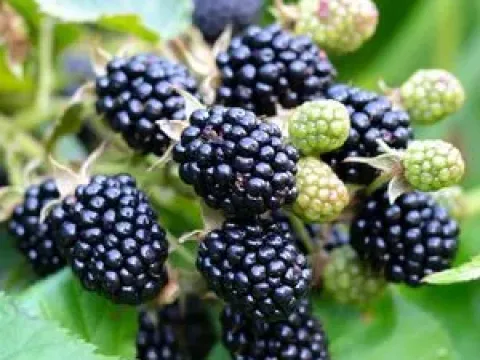
Rubus chloocladus
Rubus chloocladus
Rubus chloocladus is a perennial shrub belonging to the Rosaceae family. It is typically characterized by vigorous, arching canes that require structural support to maintain health and productivity in a farming setting.
What the section contains
Rubus chloocladus
The plant thrives in well-drained, nutrient-rich soils. It performs best in substrates with slightly acidic properties. Proper soil aeration is essential to prevent root rot, which is a common issue in compacted or waterlogged garden beds.
Sunlight exposure is a critical factor for fruit quality. Sites with full sun exposure encourage the development of sweeter berries and promote better growth of the vegetative biomass during the season.
Optimal moisture management is achieved through consistent watering schedules. During the fruit development stage, irrigation must be increased to ensure the berries reach their maximum potential size and juiciness.
Pruning is the foundation of successful cultivation. Removing old, woody canes and thinning out the new growth ensures that energy is directed toward fruit production rather than excessive vegetative spread.
Common threats to Rubus chloocladus include fungal infections like cane blight and rust. These diseases often emerge when air circulation within the shrub canopy is restricted due to lack of pruning.
Pest management focuses on controlling aphids and spider mites, which can drain nutrients from the foliage. Regular monitoring is necessary to prevent these populations from reaching damaging thresholds.
Integrated Pest Management (IPM) strategies, including the introduction of beneficial predatory insects, are highly recommended to keep pest populations under control without relying solely on harsh chemicals.
Cultural practices such as removing fallen leaves and pruning debris help to minimize the overwintering of pathogens in the soil, which is a vital step in long-term site sanitation.
Environmental stress, such as extreme heat or unexpected late frosts, can also weaken the plant, making it more susceptible to opportunistic diseases that would otherwise be manageable.
Harvesting Rubus chloocladus is a manual process due to the delicate nature of the fruit. Berries should be picked once they develop their full color and reach a soft, yielding texture.
Picking should occur early in the day to minimize fruit temperature and extend shelf life. Once harvested, berries should be moved to a shaded area or a cooling facility as soon as possible.
The culinary applications for these berries are diverse, ranging from fresh market sales to processing for jams, preserves, and gourmet toppings. They are highly valued for their balanced flavor profile.
Yield management involves regular harvesting to prevent over-ripening on the bush, which can attract fruit flies and lead to the spread of mold within the planting area.
Post-harvest care includes a final irrigation cycle and nutrient replenishment to support the plant as it prepares for dormancy, ensuring strong growth in the following season.