
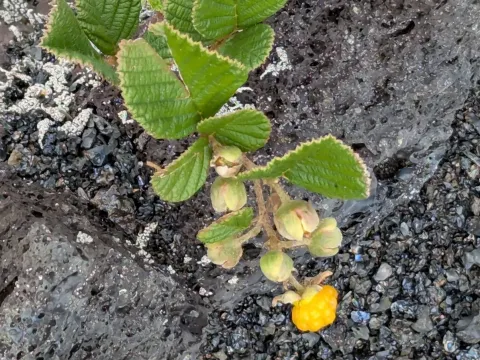
Rubus ellipticus
Rubus ellipticus
Rubus ellipticus, commonly known as the golden Himalayan raspberry, is an evergreen perennial shrub belonging to the Rosaceae family. Propagation of the crop is typically performed through seeds or stem cuttings during the spring season.
What the section contains
Rubus ellipticus
When sowing seeds, it is crucial to consider the need for stratification, which significantly increases germination rates. Seeds are sown in a prepared, nutrient-rich substrate with good drainage at a soil temperature of approximately 20 degrees Celsius.
Stem cuttings are the preferred method for maintaining the varietal characteristics of the plant. For rooting, semi-hardwood shoots of the current year are selected and planted in greenhouse conditions with high humidity.
Transplanting young plants into the open field is done after the risk of late frosts has passed. The optimal distance between bushes is at least two meters, given the vigorous growth of the canes.
When planning plantations, it is important to note that in some regions this species is considered invasive; therefore, controlling the spread of root suckers is a mandatory part of the management practices.
The crop prefers tropical and subtropical climates, successfully adapting to mid-mountain conditions. The plant is capable of withstanding short-term temperature drops, but full fruit production requires mild winters.
For vigorous growth, Rubus ellipticus requires well-drained, loamy, or sandy-loam soils with a pH ranging from slightly acidic to neutral. Waterlogging at the root zone is detrimental to the plant.
The planting site should be well-lit, as productivity drops sharply in low light conditions. Light shading is acceptable in regions with extremely high summer temperatures.
During the active vegetation period, the crop requires moderate but regular irrigation. The fruit-set phase is particularly critical, as water stress during this time leads to flower or immature fruit drop.
Agronomic practices include mulching around the base of the bushes to conserve soil moisture and suppress weeds, which also helps protect the root system from overheating.
Fruiting of Rubus ellipticus begins in the second or third year of the plant's life. Yield depends heavily on lighting conditions and the overall quality of management on the specific site.
The berries are juicy drupelets clustered into an aggregate fruit, resembling common raspberries in shape but possessing a yellow or orange color when fully ripe.
Under favorable conditions, a single mature bush can yield a significant volume of produce throughout the season. The fruits are characterized by a distinct sweet-and-sour flavor and a high concentration of vitamins.
Since fruit ripening often occurs unevenly, the harvest is carried out in several stages as the berries reach their typical color and ripeness.
Commercial use of the berries is limited due to their extreme delicacy and poor transportability; therefore, the bulk of the produce is consumed in local markets or processed.
The primary diseases affecting Rubus ellipticus are fungal infections, such as anthracnose and various leaf spots, which thrive in high humidity conditions.
Root rot poses a serious threat if irrigation practices are poor or if the plants are grown in heavy, poorly drained soils. Prevention involves sound agronomic practices and fungicide applications.
Among pests, the raspberry beetle and mites cause the most damage, attacking both the foliage and the developing fruits, which negatively impacts the marketability of the produce.
For pest control, it is recommended to use biological protection methods or systemic insecticides, strictly adhering to pre-harvest intervals before picking the berries.
Timely sanitary pruning of diseased and dead wood is an essential condition for limiting the spread of pathogens within the plantation.
Harvesting requires caution due to the presence of sharp thorns on the plant's stems; therefore, the work should be performed while wearing thick gloves.
Berries should only be picked once they have developed a deep color and start to detach easily from the receptacle. Underripe fruits do not ripen post-harvest.
Given the high perishability of the fruits, it is recommended to collect them in shallow containers to avoid crushing the berries located at the bottom of the pile.
After harvest, the produce must be cooled immediately if market sale is intended, as the shelf life at room temperature does not exceed one day.
For industrial purposes, the fruits are used in the production of jams, juices, and wines, where maintaining the whole structure of the berry is not required.