
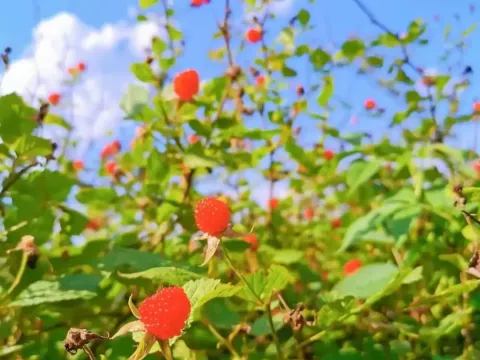
Rubus chroosepalus
Rubus chroosepalus
Rubus chroosepalus is a perennial shrub belonging to the Rosaceae family. This species is taxonomically related to blackberries and raspberries, sharing similar structural traits such as thorny stems and complex, aggregate fruits.
What the section contains
Rubus chroosepalus
Native to the mountainous forest regions of China, the plant thrives in habitats characterized by moderate humidity and filtered sunlight. Its natural distribution demonstrates an evolutionary adaptation to cool, high-altitude climates with consistent soil moisture.
For successful cultivation, Rubus chroosepalus requires well-drained, fertile soil rich in organic matter. Soil compaction and waterlogging must be avoided, as the root system is highly sensitive to hypoxia and fungal pathogens associated with anaerobic environments.
The plant demonstrates optimal growth in semi-shaded areas, as excessive direct UV exposure during peak summer months can induce thermal stress. Providing adequate mulch around the base of the plant helps maintain soil temperature and moisture levels throughout the growth season.
Agronomic management involves regular pruning to remove spent canes, which facilitates better air circulation and light penetration into the center of the bush. This process is essential for maximizing the yield potential and reducing the incidence of foliage-based diseases.
The primary agricultural threats to Rubus chroosepalus include fungal diseases such as anthracnose and gray mold (Botrytis). These pathogens thrive under high humidity conditions and can spread rapidly if the canopy remains too dense and unventilated.
Pest pressure is frequently observed from aphids and various types of spider mites that thrive in dry, warm climates. These pests weaken the plant by sucking essential nutrients, often serving as vectors for various systemic plant viruses.
Effective management includes integrated pest management (IPM) practices, emphasizing the use of resistant varieties and early detection through regular crop scouting. Sanitation measures, such as removing infested plant debris, significantly reduce the primary inoculum load.
During the flowering and fruit-set stages, it is critical to implement balanced nutrient applications to strengthen plant resistance. Over-fertilization with nitrogen should be avoided, as it leads to excessive vegetative growth, which is more susceptible to sap-sucking insects.
In cases of severe infestation, targeted application of biological controls or organic-certified pesticides may be used. Strict adherence to application timings is required to ensure that the harvest remains safe and compliant with quality standards.