
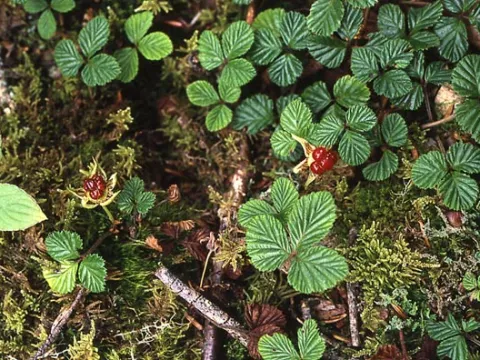
Rubus fockeanus
Rubus fockeanus
Rubus fockeanus is a member of the Rosaceae family, recognized as a low-growing, evergreen groundcover shrub native to the mountainous regions of China. Its biological structure is characterized by prostrate stems that root easily, creating a dense, carpet-like ground cover.
What the section contains
Rubus fockeanus
In terms of climate requirements, this species thrives in cool, humid environments with partial shade. It is well-suited for woodland gardens or shaded areas where sunlight is filtered, preventing leaf scorch and dehydration during peak summer heat.
The soil profile for Rubus fockeanus should be rich in organic matter and possess excellent drainage capabilities. While it prefers moist conditions, it is crucial to avoid waterlogged sites, as root rot can quickly occur in poorly aerated or compacted substrates.
Agronomic management involves providing consistent moisture throughout the growing season. In drier climates, applying a layer of organic mulch helps retain soil humidity and suppress weed competition during the establishment phase.
The plant is considered relatively low-maintenance, requiring only occasional pruning to manage its spread and remove any dead or damaged stems after the winter season to stimulate vigorous new growth.
The primary threats to Rubus fockeanus are typically associated with environmental stress, particularly fungal pathogens such as leaf spot or crown rot. These issues often arise in habitats with insufficient air circulation or poor drainage.
Insect pests, including aphids and spider mites, can become problematic if the plant experiences prolonged dry spells or moisture stress. These pests primarily target the soft, emerging foliage during the spring and summer months.
Integrated pest management strategies are recommended, focusing on maintaining plant vigor through correct irrigation and soil management. Pruning out infested branches and keeping the planting area free of debris reduces the risk of pest outbreaks.
In cases of severe infestation or infection, targeted use of fungicides or acaricides is appropriate. However, cultural control methods, such as ensuring proper spacing and canopy density, remain the most effective long-term defense.
Careful monitoring during the active growth period is essential for the early detection of any health issues. Proper sanitation practices, including the removal of infected plant tissues, are critical for maintaining a healthy stand of this groundcover.