
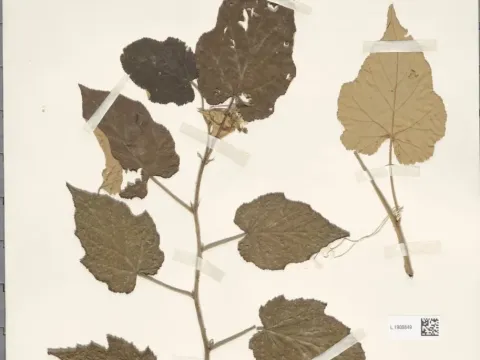
Rubus flagelliflorus
Rubus flagelliflorus
Rubus flagelliflorus is a member of the Rosaceae family native to East Asia. It is widely recognized as a creeping shrub, characterized by its long, flexible stems that can reach significant lengths, making it a distinctive species in both wild and cultivated settings.
What the section contains
Rubus flagelliflorus
The plant thrives in well-drained, nutrient-rich soils with a slightly acidic to neutral pH. It is highly valued in horticulture for its ability to act as an effective ground cover, as it naturally spreads across the ground, inhibiting weed growth through its dense foliage.
In terms of environmental requirements, this species prefers sheltered locations with partial shade. While it can tolerate various light conditions, excessive exposure to direct heat and strong winds may cause dehydration, necessitating adequate irrigation during dry spells.
Good agricultural practice for this species includes biannual mulching to maintain soil moisture and temperature stability. Pruning is essential to manage the aggressive growth habits of the plant, ensuring that the primary stems remain healthy and productive throughout the year.
Fertilization should be balanced, focusing on nitrogen-rich organic inputs in early spring to support leaf development. It is also important to monitor for soil compaction, as this plant performs best in loose, aerated substrates that allow its delicate root system to spread easily.
While often used for its aesthetic value in landscape architecture, Rubus flagelliflorus also serves as a source of wild fruit. The berries are typically harvested by hand in late summer; however, care must be taken during the process due to the sharp prickles along the stems, which are a characteristic feature of this genus.