


Reference · Crops
Waldsteinia
Waldsteinia
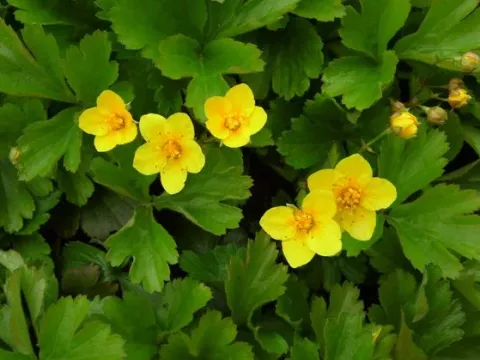
Waldsteinia is a genus of herbaceous perennial plants belonging to the Rose family (Rosaceae). Native to the temperate regions of the Northern Hemisphere, these plants are widely recognized for their role as durable, spreading ground covers in forest-like habitats.
3
items
What the section contains
Marketplace
Products in this section · 1
Waldsteinia
Botanically, Waldsteinia is characterized by creeping stolons that allow the plant to spread rapidly and form a dense mat of evergreen or semi-evergreen foliage. The leaves are typically lobed and serrated, providing a lush appearance throughout the growing season.
The culture thrives in fertile, well-draining soils with consistent moisture levels. While it is quite adaptable, it performs best in light to partial shade, making it an excellent choice for stabilizing soil beneath trees or along path edges.
Waldsteinia is known for its exceptional hardiness, capable of surviving harsh winters with minimal human intervention. It prefers cool to moderate temperatures and is well-suited for temperate landscaping projects that require low-maintenance solutions.
Regular maintenance involves light weeding and occasional watering during prolonged drought periods to keep the foliage vibrant. Once established, it competes effectively with weeds, reducing the need for intensive chemical or mechanical management.
Waldsteinia is remarkably resistant to most common garden pests and diseases, which makes it a preferred plant for sustainable landscape design. It is rarely bothered by the severe pathogens that often affect other members of the Rose family.
Potential threats include issues related to poor site conditions, such as root rot caused by stagnant water or excessively heavy, waterlogged soil. Proper site preparation and amending heavy soil with organic matter are essential preventative measures.
Occasional infestations of aphids or spider mites might occur during extremely hot and dry spells. These are generally minor and can be managed through simple cultural practices or gentle horticultural sprays if necessary.
Slugs and snails may occasionally feed on young growth, especially in damp, shaded environments. Keeping the area free of heavy debris can help reduce the population of these mollusks around the plant beds.
Monitoring for signs of leaf spots or powdery mildew is advisable in high-humidity climates. Ensuring adequate spacing between individual plants encourages airflow, which is a critical factor in preventing fungal outbreaks.