
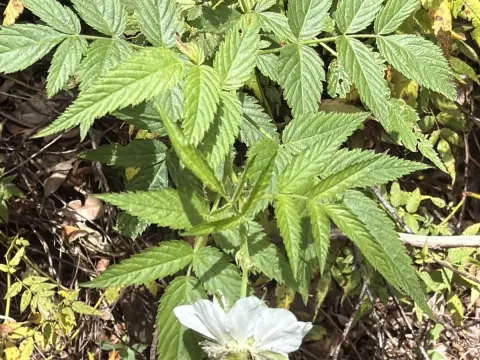
Taiwan raspberry
Rubus taiwanianus
The Taiwan raspberry (Rubus taiwanianus) is a shrub belonging to the Rosaceae family, native to the mountainous regions of Taiwan. As a species adapted to high-altitude environments, it exhibits specific growth patterns compared to common garden raspberries.
What the section contains
Taiwan raspberry
This species thrives in a temperate to subtropical climate, favoring cool, humid conditions and partial shade. Unlike many commercial varieties, it is highly sensitive to intense summer heat and direct sunlight, which can negatively affect its foliage and vigor.
For optimal growth, the soil must be well-draining, loose, and rich in organic matter. A slightly acidic pH is generally preferred, mirroring the soil composition found in the wild mountain forests where this plant originates.
The botanical structure of Rubus taiwanianus consists of trailing or semi-erect canes. Its leaves are evergreen or semi-evergreen, depending on the local climate, allowing the plant to remain metabolically active for longer periods than deciduous cousins.
In a controlled environment, such as a garden or a nursery, it is essential to mimic natural conditions by providing consistent moisture and protecting the roots from rapid temperature fluctuations using thick organic mulch.
Rubus taiwanianus is susceptible to standard raspberry pathogens, particularly those that thrive in stagnant, humid air. Fungal diseases such as leaf spot and various types of mildew are common risks in improperly ventilated areas.
Insect pests, including aphids and spider mites, are frequent visitors to this plant. These insects sap the energy from tender new growth and can significantly reduce the overall productivity and aesthetic appeal of the shrub.
Effective management strategies include the removal of dead or crossing canes to promote air movement. This simple structural maintenance helps keep the internal canopy dry and reduces the chances of fungal colonization.
Integrated pest management, focusing on biological controls and regular monitoring, is the most sustainable way to protect the plant. Chemical pesticides should be used sparingly as the species may exhibit sensitivity to certain compounds.
Water management is the primary defense against soil-borne threats. Ensuring that the substrate never becomes waterlogged is the single most important factor in preventing root rot and other vitality-sapping conditions.