
Rhaphiolepis
Rhaphiolepis Lindl.
Rhaphiolepis is a genus of evergreen shrubs and small trees belonging to the Rosaceae family. Native to East and Southeast Asia, these plants are highly valued in ornamental horticulture for their dense foliage and attractive clusters of white or pink flowers.
What the section contains


Rhaphiolepis
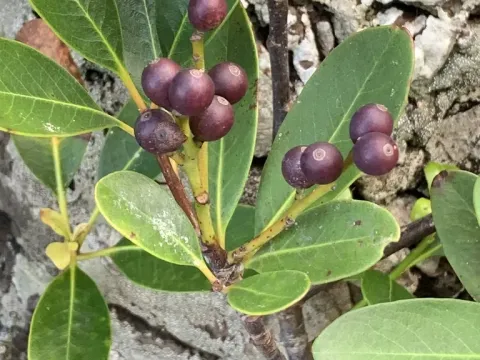
Botanically, the plant is characterized by thick, leathery, dark green leaves and a compact growth habit. The flowers typically appear in late winter or spring, making it a staple in landscapes where early-season color is desired.
Successful cultivation requires well-drained, fertile soil with a slightly acidic to neutral pH. Proper soil structure is critical, as these plants are prone to root rot if placed in heavy, waterlogged substrates that prevent adequate aeration.
Rhaphiolepis thrives in full sun but can tolerate partial shade in warmer climates. They are generally hardy only to mild frost conditions, typically requiring protection or container cultivation in regions that experience severe winter temperatures below -10°C.
Basic maintenance involves regular watering during the establishment phase and annual fertilization during the spring. Light pruning after the flowering season encourages bushier growth and helps maintain the desired landscape form.
The primary pathological threat to Rhaphiolepis is Entomosporium leaf spot, a fungal disease that thrives in high humidity. Symptoms include dark red or brown spots on leaves, which may eventually lead to significant defoliation if left untreated.
To mitigate fungal risk, it is essential to provide adequate spacing between plants to encourage air circulation. Irrigation should be directed at the base of the plant, avoiding overhead watering that keeps foliage wet for extended periods.
Common insect pests include scale insects and aphids, which feed on the sap of young stems and leaves. Heavy infestations can weaken the plant and lead to the accumulation of sooty mold on the leaf surfaces.
Control strategies involve the application of horticultural oils or systemic insecticides specifically formulated for ornamental shrubs. Monitoring the underside of leaves for early signs of insect activity is key to effective management.
Maintaining high plant vigor through proper nutritional and water management is the best defense against pests and diseases. Regular sanitation, including the removal of fallen leaves and infected branches, prevents the spread of pathogens.