
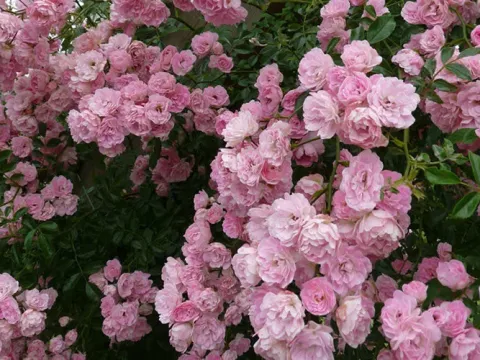
Rambler rose
Rosa rambler
The rambler rose (Rosa rambler) belongs to the Rosaceae family. These plants are distinguished by their long, flexible stems that can grow several meters in length, requiring sturdy supports such as trellises, fences, or pergolas to display their cascading flowers.
What the section contains
Rambler rose
Ramblers thrive in positions with full sun to partial shade. Adequate airflow is essential to prevent fungal diseases, so they should not be planted too close to walls or other plants that impede natural ventilation in the garden environment.
The ideal soil is fertile, humus-rich, and well-draining. While they are adaptable, they perform best in neutral or slightly acidic soils. Incorporating well-rotted organic matter before planting provides the nutrients needed for the first two years of establishment.
Proper water management is crucial during the growing season. Deep watering once a week is preferred over frequent light sprinkling, which encourages shallow roots. Mulching around the base helps retain soil moisture and prevents competitive weed growth.
Training the stems is an important part of the cultivation process. To maximize flower production, stems should be trained horizontally whenever possible, as this encourages the development of lateral shoots that carry the most flower clusters.
Powdery mildew is a common fungal threat, especially in dry, warm climates with poor air circulation. It appears as a white powdery coating on leaves and stems and can be managed with sulfur-based sprays or systemic fungicides.
Black spot is another prevalent fungal disease that causes leaves to yellow and drop. Ensuring proper sanitation by removing fallen leaves and pruning in the dormant season helps minimize the overwintering of spores in the garden.
Aphids often target new, tender shoots in spring. A strong jet of water can wash them off, but heavy infestations may require insecticidal soaps or neem oil to keep the foliage healthy and undamaged.
Rose sawfly larvae can skeletonize the leaves, severely affecting the plant's aesthetic value. Regular inspection during the early summer allows for manual removal before the population causes significant damage to the foliage.
Rust disease, identified by orange-brown spots on the underside of leaves, can occur in cool, damp conditions. Ensuring that the plant remains healthy through proper feeding and avoiding overhead watering helps prevent its development.