
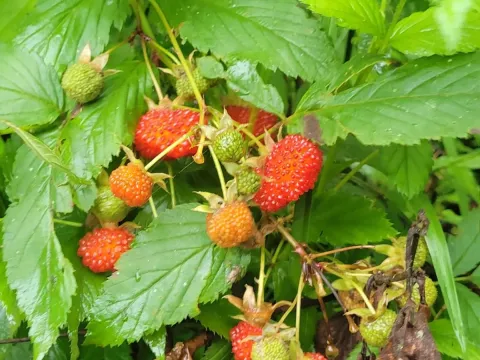
Queensland raspberry
Rubus probus
Propagation of Rubus probus is primarily achieved through vegetative methods, such as utilizing suckers or cuttings, which ensure the development of a healthy root system.
What the section contains
Queensland raspberry
Spring is the ideal time for planting these shrubs, provided the soil has warmed up sufficiently to support active root growth and establishment.
Proper spacing between plants is crucial to ensure optimal air circulation, which helps reduce the risk of humidity-related foliage diseases.
When preparing the site, it is important to incorporate organic matter into the soil to improve structure and provide a steady supply of nutrients.
Young plants should be monitored closely during their first few months, ensuring consistent moisture levels until they are well-established in their new location.
As a member of the Rosaceae family originating from tropical and subtropical regions, Rubus probus thrives in warm, frost-free climates with moderate humidity.
The plant requires well-draining, fertile soil with a slightly acidic to neutral pH to prevent nutrient lockouts and root rot issues common in boggy conditions.
While the species prefers sunny locations for maximum fruit production, in extremely hot climates, partial shade during the afternoon can prevent heat stress.
Consistent water supply is essential during the flowering and fruiting stages to ensure that the berries reach their full size and optimal sweetness.
Regular mulching around the base of the plant helps maintain soil moisture, suppresses weed growth, and adds organic material back into the topsoil.
Queensland raspberry is known for its ability to produce fruit over an extended season, making it a valuable addition to both home gardens and commercial plots.
Yield capacity significantly increases as the plant matures, with the most robust production typically occurring in the second and third years of growth.
Proper pruning techniques, specifically the removal of spent canes, encourage the growth of new, vigorous shoots that will bear fruit in subsequent cycles.
The total yield can be enhanced by maintaining soil fertility and providing supplemental irrigation during dry periods to prevent fruit abortion.
By managing the bush density and structure, growers can ensure that sunlight reaches the inner fruit clusters, promoting uniform ripening and higher quality.
Fungal pathogens such as gray mold and leaf spots are common threats that thrive in high-humidity environments, necessitating good canopy management.
Pests like aphids and spider mites can infest the leaves, so regular inspections are required to implement timely biological or physical control measures.
Root-related diseases are often a consequence of poor drainage, emphasizing the importance of site selection and soil preparation before planting.
Sanitation practices, including the removal of dead or diseased canes, are fundamental to preventing the overwintering of pathogens in the garden.
Integrated pest management strategies should be prioritized to maintain the ecological balance and ensure the harvested fruit remains free of chemical residues.
Harvesting should be done by hand when the berries reach a deep, rich color and come away from the receptacle with only a gentle pull.
Due to the delicate nature of the fruit, it should be placed in shallow containers to prevent bruising, as stacked berries can easily be crushed.
Ideally, harvesting occurs in the cool of the early morning to minimize respiration rates and extend the shelf life of the fresh produce.
Frequent harvests are recommended throughout the season to prevent over-ripening, which can attract fruit-eating insects and decrease market quality.
The harvested product should be handled with care and stored in a cool environment immediately to maintain its flavor profile and texture for the consumer.