
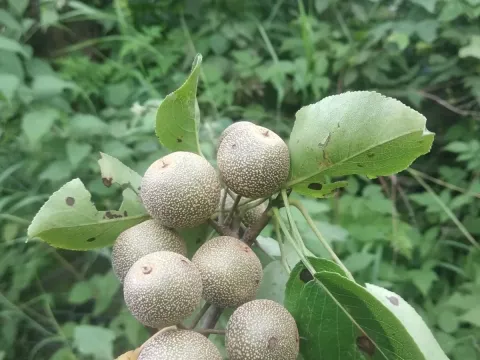
Pyrus pashia
Pyrus pashia
Pyrus pashia, commonly known as the Himalayan pear, belongs to the Rosaceae family. It is an indigenous species found throughout the Himalayan range, stretching from Afghanistan to Southwest China, thriving in diverse altitudes and climates.
What the section contains
Pyrus pashia
The tree exhibits significant biological resilience, characterized by thorny branches in its juvenile phase and a sturdy, deep-rooting system. It is highly valued in pomology for its use as a rootstock, as it imparts vigour and drought tolerance to grafted commercial varieties.
Cultivation requires well-drained, fertile soil, though it shows remarkable adaptability to rocky or less ideal substrates. It performs best in regions with distinct seasonal changes, which helps regulate its vegetative and dormancy cycles effectively.
For optimal growth, ensure the tree receives full sunlight, as shade may reduce its overall vigour and susceptibility to fungal issues. Irrigation should be managed carefully, especially during the establishment period, to encourage deep root development.
When used for grafting, Pyrus pashia offers compatibility with various European and Asian pear cultivars. This biological compatibility is crucial for long-term orchard sustainability and high fruit production in harsh environments.
Fungal diseases like pear scab are a primary concern for Pyrus pashia. To manage these, orchards should prioritize air circulation through strategic pruning and the application of copper-based fungicides during the rainy season.
Fire blight represents a significant bacterial threat that requires strict sanitation protocols. Infected branches must be pruned well below the visible injury and tools should be disinfected regularly to prevent further spread.
Pests such as pear sawflies and aphids are common. Early detection is key; monitoring the underside of leaves and tips of young shoots during the spring allows for effective targeted treatments before infestations escalate.
Root zone pathogens can also compromise tree health. Avoiding over-irrigation and ensuring the site has excellent drainage will significantly lower the incidence of collar rot and other soil-borne diseases.
Integrated pest management (IPM) practices are highly recommended. By encouraging natural predators and using biorational sprays, growers can maintain a healthy tree canopy while protecting the surrounding ecosystem.