
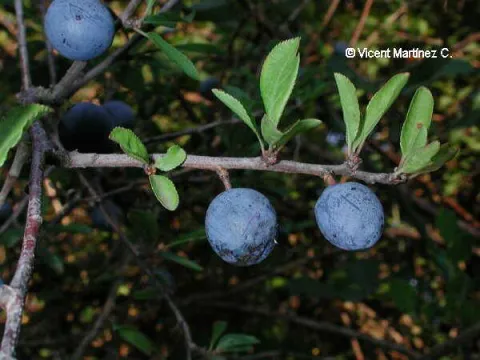
Rambur plum
Prunus ramburii
The Rambur plum, known scientifically as Prunus ramburii, is a fascinating shrub species belonging to the Rosaceae family. It is endemic to the high-altitude regions of southern Spain, particularly flourishing in the Sierra Nevada mountains.
What the section contains
Rambur plum
As a mountain-adapted species, this plant thrives in limestone-rich and rocky soils. Its natural habitat is characterized by a Mediterranean climate with significant diurnal temperature variations and long, arid summers that the plant is specifically evolved to withstand.
Botanically, it is a densely branched, often thorny shrub that helps prevent soil erosion. Its morphology is marked by small, tough leaves designed to minimize water loss, making it a highly resilient specimen in harsh environments.
For cultivation, the primary requirement is excellent soil drainage. The Rambur plum is intolerant of waterlogged conditions and prefers well-aerated, slightly alkaline soils. It is highly photophilous and requires full sun exposure to maintain its health and vigor.
This species is not typically used for large-scale agricultural production due to its slow growth rate and specific ecological niche. However, it remains a valuable genetic resource for breeding programs and botanical conservation efforts.
The Rambur plum can be susceptible to common Prunus pathogens, particularly fungal infections such as leaf spot and rust, especially if grown in humid environments outside of its native high-altitude range. Proper airflow and sunlight are essential preventive measures.
Pest pressures primarily include aphids and scale insects, which target young foliage and stems. In some cases, weevils can cause damage to developing buds, which may affect the tree's overall reproductive success.
Bacterial blight is a potential threat, especially when high moisture levels coincide with mild temperatures. Maintaining rigorous hygiene during pruning is critical to preventing the spread of pathogens between branches and different plants.
Environmental stress, particularly soil compaction or prolonged exposure to high humidity, can significantly weaken the plant's resistance. It is best to avoid heavy chemical pesticide applications to maintain the natural balance of the local ecosystem.
Monitoring the health of the plants through regular visual inspection remains the most effective strategy for identifying threats early. Providing the plant with its preferred ecological conditions is the best defense against major outbreaks of pests or diseases.