
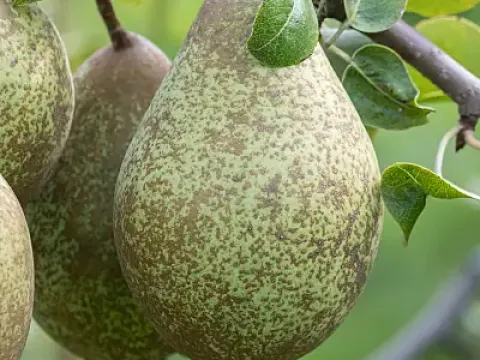
Pyrus canescens
Pyrus canescens
Pyrus canescens, commonly known as the greyish or silver pear, belongs to the Rosaceae family. It is a distinctive species known for its hardiness and tolerance to challenging environmental conditions.
What the section contains
Pyrus canescens
Originating from the Middle East and parts of Southwestern Asia, this species has evolved in rugged, semi-arid habitats, making it highly suitable for xeriscaping or dry-climate orchards.
The tree requires full sun exposure to thrive and develop its characteristic leaf coloration. It is exceptionally resilient to heat and does not require constant irrigation once established.
It prefers well-drained, slightly alkaline, or neutral soils. It is critical to avoid waterlogging, as the root system of Pyrus canescens is sensitive to oxygen deprivation caused by heavy, compacted soils.
In terms of management, minimal intervention is required. Periodic pruning helps maintain an open canopy structure, ensuring better air circulation and light penetration throughout the tree.
Common fungal diseases such as scab can impact the health of Pyrus canescens if the humidity remains high during the spring growth period.
Bacterial fire blight is a significant risk for this species. Prompt pruning of infected branches is the most effective way to prevent the spread of the pathogen.
Insect pests, including aphids and various types of mites, can infest young shoots, particularly during dry seasons when the tree's natural defense mechanisms are stressed.
Preventive maintenance, including monitoring the trunk and main branches for signs of pests or mechanical damage, is vital for long-term tree health.
Maintaining a clean orchard floor by removing debris and weeds reduces the habitat for overwintering pests and pathogens that could threaten the crop.