
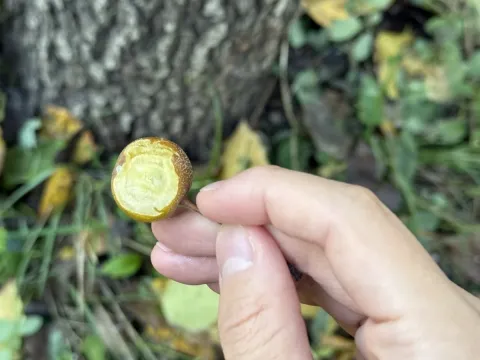
Pyrus phaeocarpa
Pyrus phaeocarpa
Pyrus phaeocarpa, commonly known as a type of brown-fruited pear, belongs to the family Rosaceae. Native to China, this species is recognized for its robust nature and adaptability to various temperate climatic conditions.
What the section contains
Pyrus phaeocarpa
Botanically, the tree exhibits structural characteristics typical of the Pyrus genus, featuring serrated leaves and medium-sized fruits that mature into a distinct brownish hue during the ripening phase.
Optimal growth requires well-drained loamy soils with a pH level between 6.0 and 7.0. The tree thrives in locations with full sun exposure, which is critical for maximizing both fruit quality and wood ripening.
Cultural practices include systematic pruning to ensure optimal canopy ventilation, which prevents humidity build-up and promotes uniform sunlight penetration throughout the tree structure.
Regular fertilization with essential micronutrients, especially during the early spring growth flush, is recommended to ensure strong development and consistent annual yield of this specialized fruit tree.
The primary threats to Pyrus phaeocarpa include common fungal infections such as apple scab (Venturia inaequalis) and various forms of leaf spot, which can significantly reduce photosynthetic efficiency.
Fire blight is considered a major threat in many regions, necessitating careful monitoring of blossoms and terminal shoots for signs of rapid necrosis and discoloration that characterize the disease.
Pest pressure often comes from aphids and various scale insects that feed on the sap of young branches, potentially introducing viral pathogens or causing physiological stunting of the plant.
Integrated pest management strategies should be employed, utilizing dormant oil sprays and targeted application of fungicides and insecticides based on regional scouting reports and weather patterns.
Sanitation practices, such as removing fallen leaves and pruning out dead wood, are essential to break the life cycle of common pathogens and ensure long-term sustainability of the planting.