
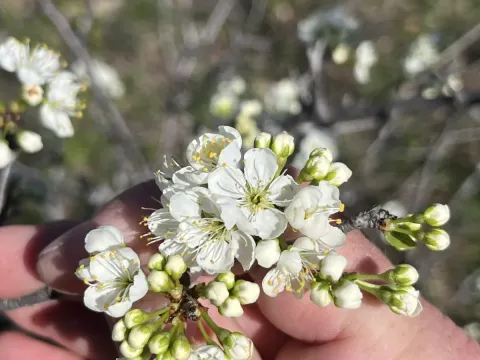
Reverchon's Plum
Prunus reverchonii
Reverchon's Plum (Prunus reverchonii) is a distinctive species within the Rosaceae family, primarily native to the limestone regions of Texas, USA. It is often recognized for its specialized adaptation to rocky and calcareous substrates, which are typical for its natural habitat.
What the section contains
Reverchon's Plum
Biologically, the plant is characterized by its shrubby growth habit and significant drought tolerance. It is a deciduous woody species that thrives in environments where many other cultivars would struggle, making it an object of interest for dryland horticulture and breeding programs.
When cultivating this species, site selection is critical. It requires full sun exposure to maintain vigor and fruit production. Soil must provide excellent drainage, as the roots are highly susceptible to hypoxia and rot if standing water persists during the dormant season.
Soil pH management is essential. The species prefers neutral to slightly alkaline conditions, reflecting its natural limestone-based environment. Growers should avoid acidifying fertilizers that might alter the soil chemistry to the detriment of the plant's nutrient uptake.
Standard orchard maintenance, such as annual pruning, is necessary to encourage a healthy frame. Pruning should focus on removing dead or crossing branches to promote airflow, which is a key factor in keeping the plant healthy in humid microclimates.
Like many species in the Prunus genus, this plant is susceptible to brown rot caused by Monilinia species. This pathogen can be devastating during wet spring weather, necessitating preventative fungicide applications during the bloom period.
Pest pressure often comes from plum curculio and various aphid species. Monitoring programs are essential to determine if and when chemical intervention is required, ensuring that the fruit yield remains viable for harvest.
Bacterial spot (Xanthomonas arboricola) can affect foliage and fruit quality. Maintaining plant health through proper nutrition and minimizing mechanical damage during orchard operations are the best defense strategies against this bacterial threat.
Environmental stress, such as unseasonably early or late frosts, can damage delicate blossoms. While the species is hardy, protecting blossoms in late winter is a challenge that requires careful site selection in colder areas of the plant's potential range.
To ensure long-term productivity, growers must monitor for wood-boring insects. These pests can weaken the main branches, especially in plants that are already experiencing stress from drought or nutrient deficiency.