
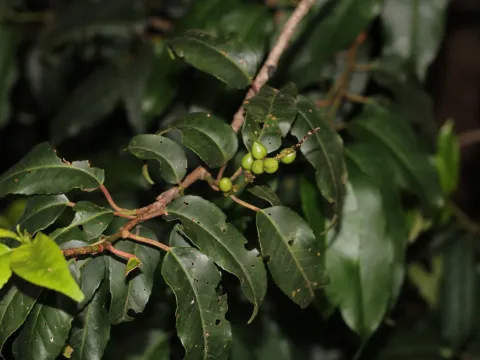
Portuguese laurel
Prunus hixa
Portuguese laurel, scientifically known as Prunus lusitanica, is an evergreen shrub or small tree belonging to the Rosaceae family. Native to Southwestern Europe, this species is highly valued for its dense foliage and adaptability in ornamental horticulture.
What the section contains
Portuguese laurel
The plant thrives in temperate climates with high atmospheric humidity. It is susceptible to severe frost, requiring sheltered positions in colder environments to prevent leaf scorch and damage to the cambium layer during winter months.
For optimal development, Prunus lusitanica requires fertile, well-draining soil. It prefers a slightly acidic to neutral pH level and struggles in heavy, waterlogged substrates which can restrict root respiration.
Sunlight requirements range from full sun to partial shade. While it tolerates shaded areas, foliage density and the intensity of flowering are significantly improved in environments with consistent light exposure.
Maintenance involves regular structural pruning to manage size and shape. It is a slow to moderate grower, making it an excellent candidate for formal topiary, privacy screens, and evergreen hedging in domestic gardens.
Powdery mildew is the most significant fungal threat, particularly in poorly ventilated planting schemes. High humidity levels combined with stagnant air provide ideal conditions for fungal proliferation on the leaves.
Shot-hole disease, caused by various fungal pathogens, manifests as small holes in the foliage. It can weaken the plant over time if left untreated with appropriate protective fungicides.
Scale insects are common pests that adhere to stems and leaves, feeding on plant sap. Their presence often leads to the development of sooty mold, which impairs the plant's ability to undergo normal gas exchange.
Vine weevils may cause damage to the root system, particularly in younger container-grown plants. Larval feeding often goes unnoticed until the plant shows signs of wilting or general decline.
Integrated pest management, including the use of horticultural oils and systemic insecticides, is essential to maintain plant health and ensure the longevity of the shrubs in a cultivated setting.