
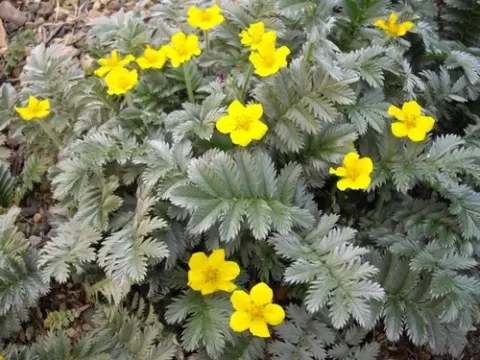
Potentilla
Argentina
Sowing Potentilla seeds is best performed in early spring, during March or April, using a seedling method to ensure better survival rates. The optimal time for dividing mature plants or transplanting is early spring or the onset of autumn.
What the section contains


Potentilla
Seeds should be sown in a light, well-draining substrate without covering them deeply, as they require natural light for proper germination. Containers should be covered with plastic film and kept at a temperature of approximately 18–20 degrees Celsius.
Seedlings typically emerge two to three weeks after sowing, after which they are pricked out into individual pots. Planting in open ground is carried out in late May once the risk of nighttime frost has completely passed.
For vegetative propagation, divisions are planted in prepared holes at intervals of 30–50 centimeters. This spacing ensures adequate space for root system development during the plant's first year.
Soil preparation is a critical step; the site must be cleared of weeds and deeply tilled. Incorporating organic fertilizer before planting promotes faster rooting and supports vigorous growth of the aerial part of the plant.
The culture prefers sunny locations, although many species tolerate partial shade during the hottest hours of the day. Excessive shade often results in leggy growth and a significant reduction in the intensity of flowering.
Soils for successful cultivation must provide excellent aeration and have a neutral or slightly acidic pH. The plant reacts poorly to waterlogging, making a high-quality drainage system mandatory on heavy clay soils.
Water requirements are moderate; the plant is quite drought-tolerant, but it needs regular watering during prolonged dry spells. Frequent cultivation of the soil around the base helps retain moisture and prevents crust formation.
Annual application of complex mineral fertilizers is recommended to maintain decorative value and biological activity. Fertilizing should be done in spring before the growing season starts and again at the budding stage to stimulate flower formation.
Potentilla is well-adapted to temperate climates and demonstrates high winter hardiness in most regions. Winter protection is only necessary for young plants or in areas experiencing extreme cold without snow cover.
The economic value of this culture lies not in fruit production but in the accumulation of vegetative biomass for pharmaceutical and landscaping purposes. Yield depends heavily on planting density and the quality of care provided.
For commercial medicinal use, harvesting is performed during the peak flowering period. At this time, the leaves and flowers contain the highest concentration of biologically active substances, such as tannins.
Properly managed agronomy allows for high-quality raw material yields over a period of three to five years from a single plot. After this time, the plantation needs renewal due to natural aging of the root system and declining productivity.
In ornamental gardening, yield is measured by the plant's ability to spread quickly and form a dense ground cover. A single plant, with proper care, can cover up to 0.5 square meters by its second year.
To increase biomass output, sanitary pruning is recommended, as it stimulates branching. Removing spent flowers prevents the plant from exhausting its energy on seed production and extends the overall vegetative period.
The primary pests affecting the culture include leaf-eating insects such as cutworms and various species of aphids. Severe infestations lead to stunted growth and leaf deformation, necessitating the use of insecticides.
Among fungal diseases, rust is the most prevalent, manifesting as brown spots on the underside of leaves. Prevention involves strictly adhering to watering schedules and timely removal of plant debris from the plot.
Powdery mildew may occur in conditions of high humidity and poor ventilation. Infected areas develop a white, powdery coating, requiring immediate treatment with systemic fungicides to maintain the plant's health.
Nematodes pose a serious threat to the root system, causing gall formation and inhibiting overall development. As control is difficult, emphasis is placed on prevention through proper crop rotation and soil disinfection.
- Regular monitoring of plants for early signs of infestation.
- Use of certified, pathogen-free planting material.
- Maintaining optimal spacing between plants to improve airflow.
Harvesting medicinal material should be done in dry weather after the morning dew has evaporated. This prevents deterioration during the drying process and minimizes the risk of mold growth during storage.
Cut stems are bundled or spread in thin layers on racks in well-ventilated rooms protected from direct sunlight. Correct drying ensures the preservation of color and active compounds within the plant.
When harvesting roots, the process is carried out in autumn after the growing season, when nutrient accumulation is highest in the underground parts. Rhizomes are cleaned of soil, washed in running water, and dried at temperatures below 40 degrees.
For landscaping needs, autumn pruning is performed, leaving only short stubs. This aids in winter survival and keeps the plot clean when spring growth resumes.
Dried raw material should be stored in airtight containers in a cool, dark place. Under proper conditions, the beneficial properties remain intact for two years, after which the stock should be replenished.