
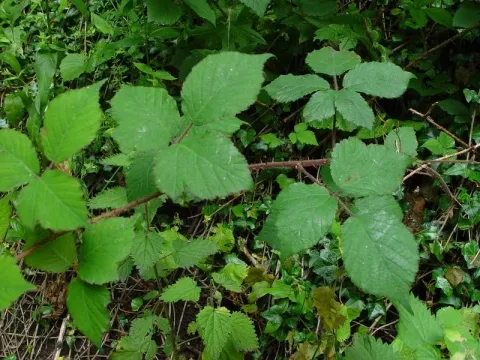
Brown blackberry
Rubus fuscus
The brown blackberry (Rubus fuscus) is a perennial shrub belonging to the Rosaceae family. Native to European forest landscapes, this species is well-adapted to partially shaded environments and thrives in woodland edges where soil moisture levels are consistently moderate.
What the section contains
Brown blackberry
Optimal growth requires fertile, well-draining soil with a high organic matter content. While it can adapt to various conditions, it prefers a slightly acidic to neutral soil pH. Good soil structure is crucial to prevent root rot and ensure nutrient uptake during the active growing season.
Botanically, the plant is characterized by its distinct brownish stems protected by numerous sharp prickles. The leaves are typically palmate and serrated, providing a robust surface area for photosynthesis, which is essential for developing high-quality fruit in temperate climates.
Climate requirements include a temperate regime without extreme seasonal fluctuations. In colder regions, providing mulch around the base and sheltering the canes from harsh winter winds is recommended to preserve the vitality of the plant for the following season.
In terms of economic value, Rubus fuscus is highly regarded for its fruit, which contains valuable phytochemicals. These berries are primarily used in the food industry for high-quality jams, juices, and culinary applications, making it a valuable minor crop for sustainable production.
Fungal diseases, specifically cane blight and anthracnose, are the primary threats to the health of the brown blackberry. These pathogens thrive in high-humidity environments and can quickly compromise the structural integrity of the canes, leading to reduced productivity.
Common pests include the blackberry mite and the raspberry beetle, both of which can cause significant damage to the flowers and developing fruits. Infestations often result in distorted berries, which are unfit for market and negatively impact the overall crop yield.
Effective management requires rigorous pruning practices to ensure air circulation throughout the canopy. By removing diseased or overgrown canes annually, growers can significantly lower the concentration of pathogen spores in the immediate vicinity of the plants.
Integrated pest management strategies should emphasize early detection and the use of targeted biological controls. Maintaining a clean cultivation environment by removing debris and weeds minimizes the potential breeding grounds for harmful insects and fungal vectors.
Using resistant varieties, if available, and maintaining optimal plant spacing are fundamental agronomic steps to ensure the longevity of the plantation. Consistent monitoring remains essential to address any outbreaks before they escalate into significant economic losses.