
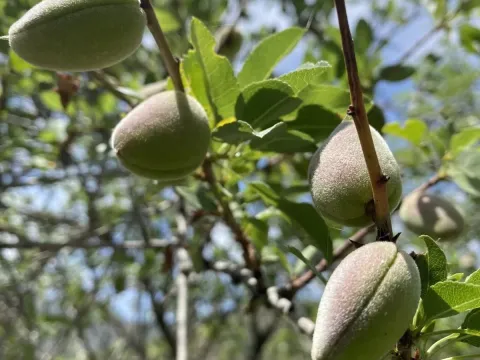
Buchara almond
Prunus bucharica
The Buchara almond (Prunus bucharica) is a wild almond species belonging to the Rosaceae family. It is primarily native to the mountainous regions of Central Asia, specifically the Pamir-Alay range, where it thrives in rugged, arid landscapes.
What the section contains
Buchara almond
Botanically, it is a deciduous shrub or small tree characterized by a high degree of xerophytism. It has evolved to survive in environments with extreme temperature fluctuations and limited annual precipitation, making it an excellent candidate for semi-desert horticulture.
This species requires full sun exposure and performs best in carbonate, well-drained rocky soils. It is highly intolerant of waterlogging, which can quickly lead to root rot and systemic decline of the plant.
Climate adaptation is a core strength of Prunus bucharica. It is resistant to late spring frosts and severe summer droughts, which often limit the cultivation of traditional almond cultivars in similar geographic areas.
Cultivation practices involve selecting sites with good air circulation to mitigate the risk of fungal outbreaks. Once established, the root system is extremely efficient at scavenging for moisture in deep soil layers.
The economic value of the Buchara almond is primarily linked to its role as a rootstock. It imparts significant drought tolerance and soil adaptability to grafted stone fruit varieties, aiding in the expansion of orchards into marginal lands.
Its kernels are rich in fatty acids and essential oils, which have applications in the cosmetic and food industries. While some wild forms have bitter kernels, breeding programs focus on developing genotypes with improved organoleptic properties.
As a genetic resource, Prunus bucharica is invaluable. It contains genes for resistance to major stone fruit diseases and abiotic stresses, which are currently being utilized in global almond breeding efforts.
In addition to agricultural uses, it plays a vital role in ecological restoration. Planting this species helps stabilize erosion-prone mountain slopes and supports local biodiversity in challenging habitats.
Ongoing research into the species aims to increase the yields of its nut production for specialty markets. Its longevity and low maintenance requirements make it a sustainable option for agroforestry systems.
The Buchara almond is susceptible to classic stone fruit diseases, most notably Monilinia (brown rot) and Wilsonomyces carpophilus (shot hole disease). These pathogens are particularly prevalent during cool, wet spring seasons.
Insect pests, such as the almond seed wasp (Eurytoma amygdali), pose a significant threat to production. The larvae bore into the fruit, consuming the developing kernel and rendering the nut commercially worthless.
Aphids can cause leaf curling and reduce the overall vigor of young trees, especially during periods of rapid growth. Integrated pest management strategies, including the use of beneficial predatory insects, are recommended for organic production.
Root health is compromised by poor drainage, which invites soil-borne pathogens like Phytophthora. Proper site selection and avoiding deep planting are critical components of maintaining a healthy stand.
Continuous monitoring of canopy density is necessary to allow for proper airflow, which reduces humidity levels around the fruit and foliage, thereby lowering the probability of fungal infections.