
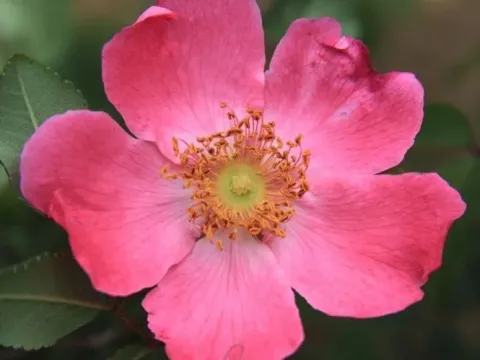
Highdown rose
Rosa highdownensis
The Highdown rose (Rosa highdownensis) belongs to the Rosaceae family. It is a highly valued ornamental shrub, frequently grown for its vigorous growth habit and striking, long-lasting hips that persist well into the winter months after flowering.
What the section contains
Highdown rose
This shrub requires a site with full sun exposure to thrive and produce its signature vibrant flowers. While it can handle light shade, optimal density and floral production are significantly higher when the plant receives at least six hours of direct sunlight daily.
Ideal soil conditions for this species are deep, moisture-retentive but well-draining loams. The plant prefers a neutral to slightly acidic soil environment. Proper soil preparation before planting is essential to ensure long-term stability and health of the shrub.
Regarding climate, the Highdown rose is recognized for its impressive hardiness. It is well-suited for temperate climates, showing significant resistance to low winter temperatures without requiring heavy protection or complex winterization techniques.
Maintenance involves regular pruning to keep the shrub's shape and remove dead or diseased wood. Fertilization should be done in early spring with a balanced fertilizer to support the overall vigor and health of the plant during the growing season.
Rosa highdownensis is susceptible to several common rose pathogens, with powdery mildew being the most prevalent. This fungus appears as a white, dusty growth on foliage, often appearing in climates with fluctuating humidity and temperature.
Black spot is another major threat, particularly in regions with frequent rainfall. It causes dark, unsightly spots on the leaves, leading to premature leaf drop. Good air circulation through proper spacing and pruning is a critical preventative measure.
Aphids are the primary insect pests affecting the new growth. They colonize buds and tender tips, which can lead to stunted growth. Early intervention with insecticidal soaps is usually sufficient for controlling small infestations.
Scale insects and spider mites may also appear under adverse weather conditions, such as prolonged heat or drought. Regularly monitoring the underside of the leaves and stems can help in identifying and treating these problems early.
To keep the plant healthy, it is advised to apply organic mulch around the base to suppress weeds and maintain soil moisture. Maintaining strong plant vigor through appropriate watering and nutrition remains the best defense against various threats.