
Prunus zippeliana
Prunus zippeliana
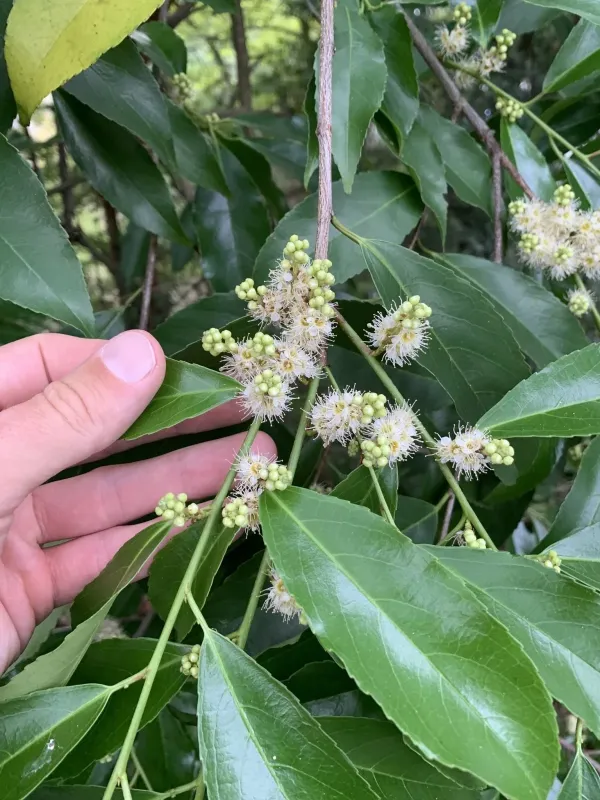
Description
Growing requirements
Prunus zippeliana is a distinctive member of the Rosaceae family, recognized for its evergreen foliage and elegant growth habit characteristic of many Asian Prunus species.
Originating from regions such as China and Japan, this species thrives in humid subtropical environments where temperatures remain relatively stable throughout the year.
The tree requires well-drained, nutrient-rich soil to establish a robust root system, avoiding waterlogged conditions which often lead to root rot in this genus.
It prefers full sun to light shade, ensuring that the foliage receives enough energy for dense development while being protected from extreme thermal fluctuations.
Proper soil aeration and moisture management are critical during the establishment phase, requiring consistent attention to irrigation schedules in the first few years of growth.
Harvesting
In terms of agricultural and horticultural use, Prunus zippeliana is primarily cultivated for its ornamental value in landscaping, private gardens, and public arboretums.
The wood of this tree is occasionally used in specialized woodworking, appreciated for its fine grain and durability, although it is not a major forestry crop.
While the fruits are edible, their primary role is ecological, providing a source of food for local bird populations and supporting regional biodiversity in its habitat.
Harvesting of seeds for propagation should be done once the fruits have fully matured, ensuring that they are cleaned and processed to maintain viability for future planting.
- Monitor for common pests like aphids.
- Prune annually for tree health.
- Apply mulch to retain soil moisture.