
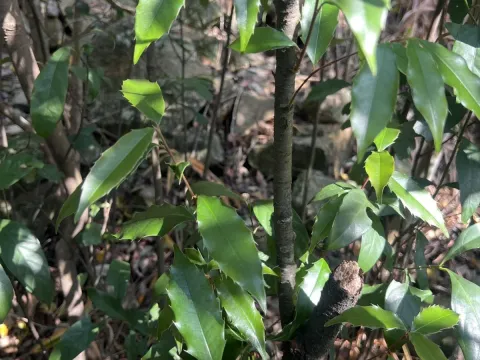
Prunus spinulosa
Prunus spinulosa
Prunus spinulosa, known as the spinulosa cherry, belongs to the Rosaceae family. It is an evergreen shrub or small tree native to East Asia, primarily found in Japan and China, thriving in mild, temperate to subtropical climates.
What the section contains
Prunus spinulosa
The plant requires well-drained, fertile soil with a neutral to slightly acidic pH to prevent root rot. Waterlogged conditions are detrimental to the health of this species and must be avoided at all costs during the establishment phase.
While the tree prefers full sun, it shows good tolerance to partial shade, especially in warmer regions. Protection from harsh, drying winter winds is essential to maintain the evergreen foliage in good condition throughout the year.
Proper agronomic care involves regular irrigation during dry spells to support healthy growth. Applying organic mulch around the base helps regulate soil temperature and moisture levels, promoting stronger root development.
Pruning is necessary to maintain the plant's shape and prevent overcrowding within the canopy. By thinning out dense branches, gardeners can improve air circulation, which is crucial for reducing the risk of fungal outbreaks in humid environments.
Prunus spinulosa is primarily valued for its ornamental properties in landscaping. Its dense, glossy evergreen leaves and attractive structure make it an excellent choice for private gardens and urban greening projects.
The fruits are edible but not commercially significant due to their modest size and flavor profile compared to standard cultivated cherries. They are typically left on the tree to provide sustenance for local bird populations.
Yield stability is largely dependent on favorable spring weather, as late frosts during the flowering period can significantly reduce the number of fruits set. Consistent care is required to ensure the plant remains productive.
In addition to its ornamental value, the plant is often utilized as a natural barrier or hedge. Its spiny branches provide effective protection, serving as a functional screen in garden design and perimeter planting.
Research into the species suggests potential for breeding programs, aiming to combine its robust growth and evergreen nature with other varieties, though it remains a niche plant in most horticultural markets today.
Common fungal diseases, including monilinia and leaf spot, pose the greatest threat to this species, especially in high-humidity areas. Regular application of preventive fungicides is recommended to maintain foliage health.
Pests such as aphids and various leaf-eating beetles can cause damage to new growth. Monitoring during the early stages of the growing season is essential for timely intervention and to prevent significant foliage loss.
Bacterial blight is another concern, manifesting as withered branches or leaf lesions. Strict sanitation practices, such as removing affected parts and disinfecting gardening tools, are necessary to control the spread of the disease.
Nutritional stress can make the plant more susceptible to pests and diseases. Providing balanced fertilization based on soil analysis helps sustain the tree's vigor and builds up its natural resistance to environmental pressures.
Cold stress in winter can damage the bark, creating entry points for pathogens. Wrapping the trunks of younger trees or providing adequate site protection can prevent bark splitting and keep the tree healthy through the cold months.