
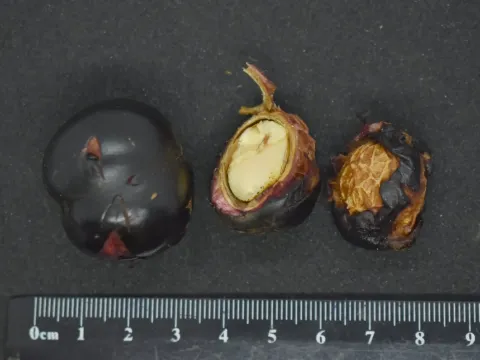
Prunus turneriana
Prunus turneriana
Prunus turneriana is a notable species within the Rosaceae family, primarily native to the tropical rainforests of Queensland, Australia, and New Guinea. Unlike many temperate Prunus species, this plant is adapted to tropical conditions.
What the section contains
Prunus turneriana
The climate requirements for this species include consistently warm temperatures and high humidity levels throughout the year. It does not tolerate frost and thrives best in sheltered locations protected from strong, drying winds.
Regarding soil, Prunus turneriana requires fertile, deep, and well-draining substrates. The plant is sensitive to waterlogging, necessitating soil with excellent aeration to prevent root suffocation in its tropical habitat.
Botanically, it is characterized by its glossy, coriaceous leaves and its ability to maintain a dense canopy. The tree produces small flowers, which are typical of its genus, followed by fruits that serve as a food source for local fauna.
The agricultural usage of Prunus turneriana is currently limited to local horticultural practices and ecological conservation efforts. Its potential for commercial orchards remains unexplored, though it is valued for its contribution to native biodiversity.
The main threats to the health of Prunus turneriana include fungal infections, which are common in tropical environments with persistent moisture. Leaf spots and bark diseases can occur if air circulation is inadequate.
Pest pressure typically involves leaf-eating insects and scale insects that infest the dense foliage. Proper monitoring and early identification are essential to manage these populations effectively without broad-spectrum chemicals.
Root rot is a critical threat if the plant is grown in poorly drained soils. Since it evolved in forest soils rich in organic matter, any compaction or lack of drainage will negatively impact its development.
Mechanical damage to the trunk or branches can lead to secondary pathogens entering the wood. Careful pruning and maintenance are necessary to prevent wounds that might compromise the tree's vascular system.
Climate change and habitat loss represent the most significant long-term threats to wild populations. Protecting the integrity of its native rainforest environments is crucial for the survival of the species.