
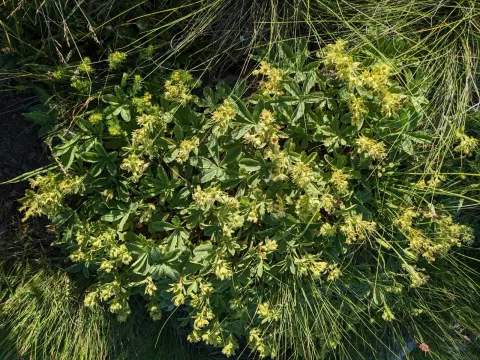
Potentilla brachypetala
Potentilla brachypetala
Sowing seeds of Potentilla brachypetala in an agricultural setting is best conducted in early spring, once the soil has warmed sufficiently to ensure stable germination.
What the section contains
Potentilla brachypetala
The seeds possess a relatively slow germination cycle; therefore, pre-sowing stratification for several weeks is a recommended technique to improve sprout uniformity.
The seeds should be sown at a shallow depth of approximately 1 centimeter, as they require adequate light exposure to trigger the germination process effectively.
For commercial production, a row spacing of about 45 centimeters is standard, which allows for efficient weed control and mechanized maintenance during the growing season.
In regions with unpredictable spring weather, utilizing a nursery or greenhouse for initial seedling development before transplanting is a viable strategy for crop establishment.
Potentilla brachypetala, a member of the Rosaceae family, thrives in sunny environments that provide optimal light intensity for robust vegetative growth.
The crop prefers well-drained, fertile soil types, specifically sandy loams, which prevent the risk of waterlogging that could harm the root system.
While the plant is quite adaptable, it performs best in regions with moderate moisture levels, necessitating irrigation during peak dry periods in the summer.
Soil nutrient management is crucial; applying organic compost or balanced fertilizers before planting ensures sustained growth and development throughout the lifecycle.
This species is noted for its winter hardiness, allowing it to withstand cooler climates without the need for additional protective covering, which simplifies field management.
The yield of green mass for Potentilla brachypetala typically ranges from 15 to 25 centners per hectare, depending on soil health and the level of agricultural intervention.
Peak productivity is generally observed during the second and third years of cultivation, when the root system is fully established and the plant is mature.
Strategic nitrogen and phosphorus applications early in the growing season can significantly boost biomass accumulation, leading to higher harvestable yields.
Timing the harvest is critical, as the concentration of secondary metabolites peaks during specific flowering stages, directly impacting the quality of the final product.
Successful yields are heavily dependent on planting density; maintaining an optimal distribution ensures that individual plants receive sufficient space to reach their growth potential.
The primary agricultural threats to this crop include fungal infections like powdery mildew, which often occur in high-humidity conditions with poor air circulation.
Implementing a strict crop rotation schedule is essential to break the cycle of soil-borne pathogens and protect the longevity of the plant stands.
Common pests such as aphids and spider mites may target the foliage, requiring diligent monitoring and prompt intervention using biological control methods.
Root rot caused by stagnant water is a significant danger, making the development of adequate drainage systems a high priority for farm management.
Effective plant protection strategies focus on minimizing chemical use, favoring ecological approaches that sustain soil quality and botanical health.
Harvesting should be conducted during the peak flowering phase to ensure the maximum concentration of bioactive compounds within the stems and leaves.
Using mechanical harvesters, the plants should be mown at a height of approximately 10-15 centimeters to prevent damage to the crown and ensure future regrowth.
Post-harvest processing involves drying the plant material in well-ventilated sheds at controlled temperatures to avoid heat degradation of essential compounds.
Uniform drying prevents spoilage and preserves the integrity of the plant material, which is necessary for meeting commercial and pharmaceutical quality standards.
After the harvest is complete, light cultivation between rows is recommended to aerate the soil and prepare the perennial root system for winter survival.