
Hibernian rose
Rosa hibernica
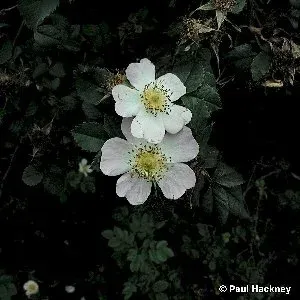
Description
Growing requirements
The Hibernian rose (Rosa hibernica) is a distinct natural hybrid belonging to the Rosaceae family. It is recognized as a cross between Rosa canina and Rosa spinosissima, possessing unique biological traits that differentiate it from parent species.
Originating primarily from Ireland, this shrub is highly adapted to cool, maritime environments. Its natural habitat includes coastal zones and bushy areas where it withstands wind exposure and erratic rainfall patterns typical of Western Europe.
When cultivating this variety, site selection is crucial; it thrives in well-drained, fertile soil with a slightly acidic to neutral reaction. Providing full sunlight is essential to maintain the structural integrity and blooming potential of the shrub.
Agrotechnical practices involve yearly pruning to remove aged or dead wood, which encourages the development of new, healthy stems. Mulching is recommended to stabilize soil temperature and suppress competitive weed growth around the root zone.
In terms of usage, the Hibernian rose is widely valued for its hardiness and serves as an excellent candidate for semi-wild hedging and ecological restoration projects. Its dense growth habit provides effective screening and erosion control in rural landscapes.
Main diseases and pests
Common pathological threats include black spot and powdery mildew, which are often triggered by stagnant air or poor drainage conditions within the plantation area.
Insects like aphids and spider mites can pose a nuisance during dry spells. Integrated pest management practices, including regular monitoring and manual removal, are generally sufficient to keep these populations under control.