
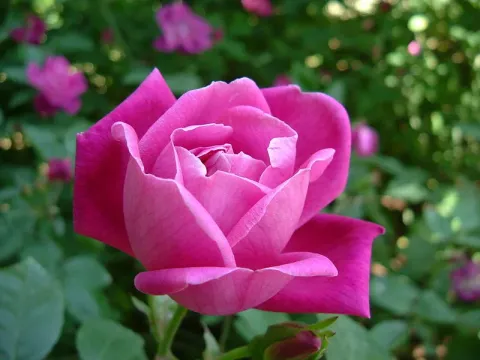
Tea rose
Rosa odorata
The tea rose (Rosa odorata) is a perennial shrub belonging to the Rosaceae family. It is historically significant as the primary ancestor of modern tea-scented roses, prized for its delicate scent and long, elegant blooming periods in warm climates.
What the section contains
Tea rose
This crop thrives in well-drained, fertile soil enriched with organic matter. A slightly acidic to neutral soil pH is ideal, as it ensures optimal nutrient availability, specifically for iron and manganese uptake, which are vital for foliage color and vigor.
Exposure to full sunlight is critical for the success of Rosa odorata. The plant requires significant daily solar energy to maintain its metabolic processes, support bud formation, and develop the secondary metabolites responsible for its iconic floral fragrance.
Climate requirements for this species are specific: it prefers mild temperatures and dislikes harsh frost. In regions with cold winters, the crop requires protection or a greenhouse environment to ensure survival and productivity throughout the non-growing season.
Agricultural management involves meticulous pruning and nutrient cycling. Applying balanced fertilizers during the active growth phase, combined with consistent moisture levels via irrigation, allows the plant to reach its maximum aesthetic and physiological potential.
Powdery mildew is a frequent challenge for Rosa odorata, characterized by a white powdery coating on the leaves. Managing humidity levels and ensuring adequate spacing between plants can significantly reduce the incidence of this fungal pathogen.
Black spot is another severe disease that can defoliate the shrub if not managed properly. Implementing a rigorous sanitation program, including the removal of infected plant debris, is essential to stop the cycle of reinfection in commercial settings.
Aphids pose a constant threat to new vegetative growth, feeding on tender buds and leaves. Biological control methods, such as encouraging ladybugs or using neem-based soaps, are effective strategies for maintaining plant health without synthetic chemical reliance.
Rust, caused by various rust fungi, can compromise the photosynthesis of the plant. Maintaining plant vigor through proper fertilization helps the rose naturally resist infections and recover more quickly if localized outbreaks occur.
Spider mites are common in dry, hot conditions and can cause severe damage by piercing the plant cells. Regular monitoring of the foliage and misting can discourage mite colonization, preventing the characteristic stippling that ruins the appearance of the foliage.