
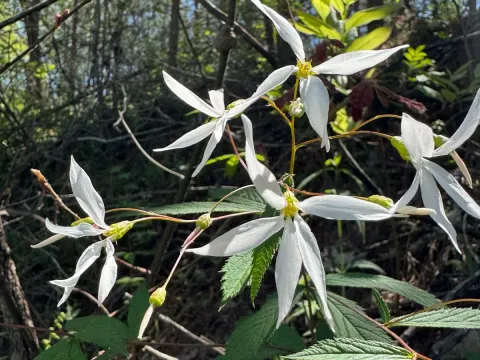
Gillenia
Gillenia
Gillenia is typically propagated through seeds or by division of established root clumps. Sowing seeds directly into the soil during late autumn allows for natural stratification over the winter, which is essential for uniform germination.
What the section contains
Gillenia
If opting for spring sowing, seeds require pre-treatment. Storing seeds in a refrigerator at temperatures between 2°C and 4°C for at least two months is necessary to break dormancy and ensure a successful emergence of seedlings.
For vegetative propagation, division should be performed in early spring as growth begins or in autumn after the plant has entered dormancy. Ensure each division contains healthy buds and a strong root structure for rapid establishment.
Planting depth and spacing are critical for the long-term health of the crop. Maintain a spacing of 40–50 cm between individual plants to ensure proper airflow, which prevents moisture accumulation and potential fungal issues.
Newly planted Gillenia specimens require consistent soil moisture. Mulching the area around the plants can help retain moisture and regulate soil temperature, promoting faster root development during the first growing season.
Gillenia is a hardy perennial belonging to the Rosaceae family. It is native to the woodlands and meadows of eastern North America, which informs its preference for stable, slightly moist, and well-aerated environments.
The ideal soil for this crop is fertile, rich in organic matter, and slightly acidic to neutral in pH. Excellent drainage is non-negotiable, as the plant can suffer significant stress if the roots remain in waterlogged, heavy clay soil.
This species is highly climate-resilient and well-suited for temperate gardening zones. It withstands cold winters with ease and does not generally require special winter protection if the soil remains well-drained.
Light requirements for Gillenia are best met in partial shade. While it can tolerate more sun in cooler, northern regions, the plant thrives when shielded from the intense afternoon heat, which can otherwise scorch the foliage.
General care involves periodic weeding and watering during dry spells. An application of compost or balanced organic fertilizer in early spring supports vigorous foliage growth and abundant flower production throughout the season.
Gillenia is primarily cultivated for its high ornamental value in landscape architecture and garden design. It is prized for its elegant, star-shaped white flowers and refined foliage that transitions to rich autumnal colors.
In traditional horticultural practice, this plant serves as a structural element in naturalistic planting schemes. It combines beautifully with hostas, ferns, and various ornamental grasses, adding vertical interest to garden borders.
The peak bloom occurs in late spring and early summer. Beyond the flowers, the reddish calyces that remain after the petals fall continue to provide visual interest, ensuring that the plant remains a focal point well into the season.
This crop is a long-lived perennial, often remaining productive and attractive in the same location for over a decade. As the plant matures, it expands into a more robust clump, yielding an increasing number of blooms annually.
While not a major commercial food crop, its propagation and sales are significant within the nursery industry, where it is sought after by gardeners who prefer low-maintenance, ecologically beneficial perennial plants.
Gillenia is remarkably resistant to most major diseases, making it an excellent choice for sustainable garden management. Problems are rare provided the soil conditions are properly maintained and the site is well-drained.
Root rot is the primary physiological threat, usually resulting from poor drainage or overwatering. Addressing drainage issues through soil amendments is the most effective way to prevent this condition from occurring.
Pest issues are generally minimal. Occasionally, aphids may appear on tender new growth; however, these infestations are usually light and can be managed effectively with a simple water spray rather than chemical intervention.
Slugs and snails may occasionally feed on young leaves in damp weather. In areas where these pests are prevalent, using natural barriers or organic slug pellets can protect the foliage and maintain the plant's aesthetic appeal.
The main maintenance requirement regarding threats is keeping the area free of aggressive weeds. By providing a clean environment during the plant's establishment phase, you ensure that Gillenia can thrive without resource competition.