
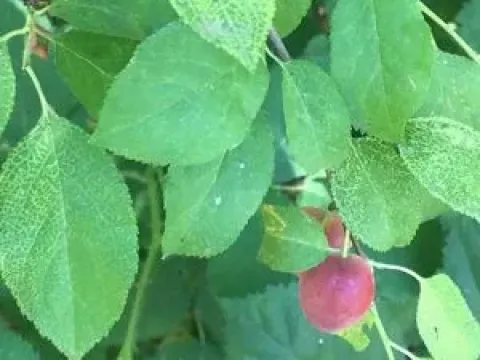
Dwarf cherry
Prunus mugus
The dwarf cherry (lat. Prunus fruticosa), also known as the European dwarf cherry or steppe cherry, belongs to the Rosaceae family. It is a deciduous shrub that typically grows to a height of 0.5 to 2 meters, characterized by a spreading, suckering growth habit.
What the section contains
Dwarf cherry
This species is highly valued for its extreme cold hardiness, making it an excellent agricultural crop for temperate and continental climates. It is native to the steppe regions of Europe and Central Asia, demonstrating significant resistance to drought and wind.
To ensure optimal development, Prunus fruticosa requires well-drained, neutral to slightly alkaline soil. While it tolerates poor soils better than most fruit trees, it thrives best in sandy loams with adequate sun exposure, which is crucial for maximizing photosynthetic capacity.
Agronomic management includes annual pruning to remove old or damaged branches and to thin the canopy. This maintenance helps prevent excessive thickening of the shrub, ensuring that light penetrates to the interior of the plant, which is essential for fruit production.
Propagation is primarily achieved through root suckers, which are naturally produced in abundance. This asexual reproduction ensures genetic uniformity of the offspring, maintaining the specific characteristics and yield potential of the parent plant.
Prunus fruticosa is susceptible to several fungal diseases, with cherry leaf spot (Blumeriella jaapii) and brown rot (Monilinia spp.) being the most common threats. These pathogens can cause significant defoliation and fruit decay if left unmanaged.
Major pests affecting this shrub include the cherry fruit fly and various species of aphids. These insects attack the flowers, buds, and young fruit, necessitating integrated pest management strategies to protect the harvest from damage and quality degradation.
Cultural control measures are vital for disease prevention. Key practices include the immediate removal and destruction of infected plant debris and fallen leaves, as these act as primary sources of inoculum for the next growing season.
Chemical intervention may be required during the early stages of the growing season, specifically using approved fungicides and insecticides. Timing these applications is critical to ensure efficiency while minimizing the impact on non-target beneficial insects.
Promoting plant vigor through proper fertilization and irrigation during dry spells significantly increases the shrub's natural resistance to diseases. Maintaining adequate space between plants also improves airflow, reducing local humidity levels around the foliage.
The harvest of Prunus fruticosa typically occurs in mid-to-late summer, depending on local weather conditions. The fruit, characterized by its tart flavor and dark red to black color, is highly valued for processed products rather than fresh consumption.
Fruit maturation is often uneven, requiring multiple picking passes throughout the season. This selective harvesting approach ensures that each batch of fruit reaches the desired level of ripeness, resulting in superior quality for culinary applications.
The berries are widely used in the production of preserves, jams, syrups, and traditional fermented beverages. Their high acidity and rich tannin content make them an excellent raw material for adding flavor and natural color to various food products.
Post-harvest care involves clearing the area beneath the shrub of any dropped fruit to prevent the buildup of pests or fungal spores. A balanced fertilizer application after harvesting helps the plant recover and store energy for winter dormancy.
Due to the perishable nature of the fruit, processing should be carried out promptly after collection. If short-term storage is necessary, the berries should be kept in a cool, well-ventilated environment to prevent rapid quality loss or spoilage.