
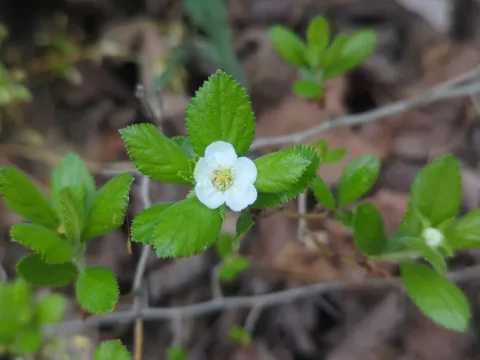
Dwarf hawthorn
Crataegus uniflora
Dwarf hawthorn (Crataegus uniflora) is a deciduous shrub belonging to the Rosaceae family. It is native to the eastern parts of North America, where it thrives in diverse environmental conditions.
What the section contains
Dwarf hawthorn
The species prefers well-drained, slightly acidic soil types. While it is quite hardy, it shows the best growth performance in loam-based soils that retain moisture but do not suffer from waterlogging.
Agronomically, it is classified as a low-maintenance shrub that requires full sun exposure for optimal development. Proper spacing is essential to ensure adequate airflow through the dense, thorny canopy.
Environmental requirements include protection from extreme winter winds in northern regions. The shrub is generally resistant to moderate drought, making it suitable for xeriscaping in specific climate zones.
In terms of agricultural and landscape usage, the plant is valued for its compact size, spring flowering, and structural utility in dense perimeter hedges to deter wildlife or intruders.
Like many species in the Rosaceae family, dwarf hawthorn is susceptible to powdery mildew, which can affect the foliage during periods of high humidity and poor circulation.
Rust diseases are common threats that target both leaves and fruit. Managing these infections often requires a strict fungicide application program during the active growing season.
Insect pests, including aphids and spider mites, are frequent visitors that thrive on the undersides of leaves. Early detection is key to preventing significant damage to the plant's health.
Scale insects represent a hidden danger, as they attach to the woody stems and branches, draining nutrients and potentially causing dieback of individual branches if left untreated.
Fire blight is considered a critical disease for hawthorn species. Strict sanitation practices, such as sterilizing pruning tools after every cut, are necessary to prevent the spread of this pathogen.