
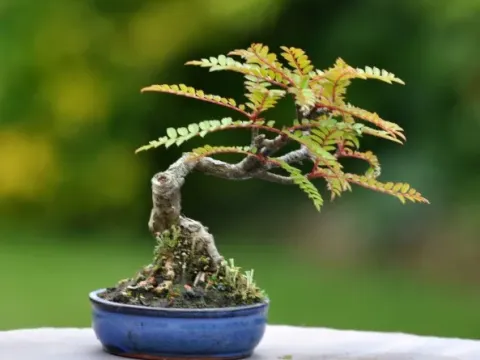
Dwarf mountain ash
Sorbus reducta
Dwarf mountain ash (Sorbus reducta) is an exquisite, low-growing shrub belonging to the Rosaceae family. Unlike its taller relatives, this species typically stays under 80 cm in height, making it a perfect selection for alpine gardens, borders, and small urban green spaces due to its dense and neat growth habit.
What the section contains
Dwarf mountain ash
Originating from the mountainous regions of Western China, this shrub is naturally adapted to rugged, rocky terrain and cool climates. Its cold hardiness is one of its primary agricultural advantages, allowing it to thrive in various temperate zones with minimal protection against frost.
The plant requires well-drained, fertile soil, ideally a sandy loam or loam with a neutral to slightly acidic pH level. It cannot tolerate waterlogging, so it is essential to ensure a high-quality drainage system when planting, especially in areas with heavy clay soils that retain water.
Regarding climate requirements, Sorbus reducta prefers sunny positions but performs well in light shade. In regions with intense sunlight and heat, consistent watering is crucial to prevent the shallow root system from drying out, which can significantly stunt the growth of the shrub.
General care involves moderate fertilization with a balanced mix in early spring to support foliage development. Pruning is rarely necessary, except to remove any dead or damaged branches, as the shrub maintains its characteristic compact and slow-growing form naturally over the years.
While relatively robust, dwarf mountain ash is susceptible to common pests like aphids. These insects tend to colonize the fresh tips of shoots during the peak growth season, which may require the application of appropriate systemic insecticides to ensure plant vigor.
Fungal issues, such as powdery mildew, are frequently observed in poorly ventilated sites. To manage this threat, gardeners should plant the specimens with enough spacing to promote air circulation and avoid overhead watering in the late evenings, which creates high humidity.
Leaf spot diseases can also occur, particularly during abnormally wet or rainy summers. It is advisable to use preventative fungicide sprays at the beginning of the growing season if the region is known for high humidity, ensuring the plant foliage remains healthy and attractive.
Winter damage from rodents is a specific concern for low-growing plants. Protecting the base of the shrub with wire mesh or similar materials can prevent bark stripping during the colder months when food sources for small mammals are limited.
Ultimately, keeping the plant stress-free is the best defense against pests and diseases. Providing optimal soil moisture levels and ensuring the shrub is not crowded by other fast-growing species will help maintain its longevity and aesthetic value in the garden.