
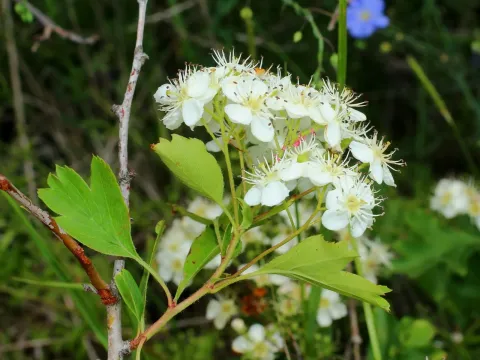
Meyer's Hawthorn
Crataegus meyeri
Meyer's Hawthorn (Crataegus meyeri) is a perennial shrub or small tree belonging to the Rosaceae family. It is native to the mountainous regions of Central Asia, where it has evolved to thrive in diverse environmental conditions.
What the section contains
Meyer's Hawthorn
The plant is highly heliophilic and requires full sun exposure to produce maximum yields and maintain dense, healthy foliage. It is known for its impressive drought tolerance and winter hardiness, making it suitable for varied climates.
Regarding soil preferences, it thrives best in deep, well-draining, and nutrient-rich loamy soils. While it can tolerate occasional soil moisture, avoiding waterlogged conditions is essential to prevent root health issues.
Standard agrotechnical practices for this species include consistent pruning to manage the crown structure. This practice ensures better air circulation and light penetration, which are vital for overall plant vitality.
In addition to its culinary uses, Meyer's Hawthorn is highly valued for its medicinal properties. The berries are a rich source of bioflavonoids and vitamins, often utilized in pharmaceutical extracts and traditional herbal remedies.
Like many species in the Crataegus genus, Meyer's Hawthorn is susceptible to common pests such as aphids, spider mites, and various types of leaf miners. Routine visual inspection is the first step in effective management.
Powdery mildew represents a significant fungal threat, especially in humid environments with poor airflow. It typically targets young, succulent growth, which can lead to weakened plant vigor if left untreated.
Fire blight is another major concern that can cause severe damage to branches and stems. Management involves the strict removal and disposal of infected plant parts, followed by disinfecting pruning tools.
Cultural methods, such as removing fallen leaves at the end of the season, help disrupt the life cycle of many common pathogens. Keeping the area under the shrub clean is a foundational aspect of integrated pest management.
Maintaining strong plant health through balanced fertilization and proper hydration is the best defense against both pests and environmental stresses that make plants more vulnerable.
The harvest of Meyer's Hawthorn typically occurs in late summer to early autumn, once the fruits have reached full maturity. A deep color and slightly soft texture indicate that the fruit is ready for picking.
Berries are collected by hand to maintain the integrity of the fruit. Care must be taken to minimize bruising, as damaged berries tend to spoil very quickly and are unsuitable for drying or long-term storage.
Post-harvest, the fruits should be cleaned and sorted immediately. They can be dried in controlled temperatures to preserve their medicinal compounds, or processed into preserves, syrups, and jellies.
- Hand-picking ensures quality control.
- Drying preserves antioxidants.
- Storage in a cool, dry place is essential.
Providing the plant with a post-harvest nutrient boost helps it recover from the reproductive cycle. This practice ensures that the shrub remains productive and healthy for many growing seasons to come.