
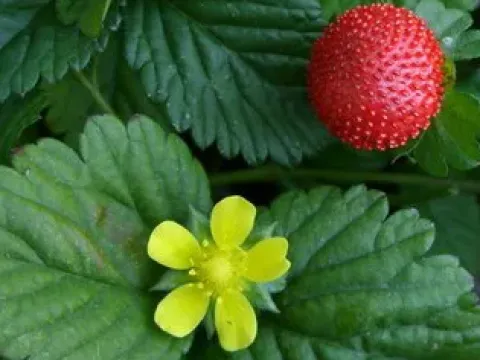
Mock strawberry
Duchesnea major
The propagation of Duchesnea major is primarily achieved through vegetative methods, as the plant produces numerous stolons that root easily when in contact with moist soil.
What the section contains
Mock strawberry
Spring is the ideal season for planting, allowing the runners to establish a strong root system before the onset of extreme summer heat or autumn chill.
For those interested in growing from seeds, cold stratification for 30 days is recommended to improve germination rates, followed by surface sowing in light soil.
Seedlings should be kept in a well-lit area with high humidity until they develop several sets of true leaves, at which point they can be transplanted to the garden.
Establishing a planting density of about 10 plants per square meter ensures rapid ground coverage, effectively suppressing most common garden weeds.
Duchesnea major thrives in partial shade, mimicking the conditions of forest edges where it naturally occurs, though it can tolerate sun if watered frequently.
Well-drained, loamy soils rich in organic matter are preferred, as these provide the necessary nutrients for the plant's rapid vegetative spread.
Maintaining consistent soil moisture is crucial, especially during the flowering and fruiting stages, to ensure the plant remains vigorous and lush.
The plant is relatively hardy but benefits from a layer of mulch in regions with harsh, snowless winters to protect the evergreen foliage from desiccation.
Occasional fertilization with a balanced liquid fertilizer during the growing season will enhance the plant's overall health and the vibrancy of its fruits.
The fruits of the mock strawberry are primarily grown for their ornamental value, providing a striking red contrast against the dark green trifoliate leaves.
While the fruits are technically edible, they lack the flavor and sweetness associated with true strawberries, making them unsuitable for commercial fruit production.
Fruiting typically commences in early summer and continues intermittently until the first frost, providing a long-lasting visual appeal in the garden.
Optimal fruit production is achieved when plants are situated in areas with filtered sunlight, as deep shade tends to reduce the number of blossoms.
As a non-commercial crop, the yield is measured by the plant's ability to maintain a healthy and decorative appearance throughout the gardening season.
Gray mold is the most common disease, often appearing in damp and poorly ventilated conditions, which can lead to the decay of fruits and foliage.
Powdery mildew can affect the leaves during periods of fluctuating temperatures and high humidity, requiring careful monitoring and airflow management.
Slugs and snails are the primary pests that damage the foliage, often hiding under the dense canopy created by the spreading runners.
Spider mites may become a nuisance in dry, hot weather, causing the leaves to lose their color and eventually wither if not treated promptly.
Integrated pest management, including regular weeding and removal of dead plant material, is the best strategy to keep the plant healthy.